Choosing the right intraocular lens can dramatically enhance your vision after cataract surgery. With the advent of Extended Depth of Focus (EDOF) IOLs, patients now have a remarkable option to consider. Let's uncover the essential insights that will guide you in your decision-making process.
What You Will Learn
EDOF IOLs provide a continuous range of clear vision, reducing the need for reading glasses.
These lenses offer improved contrast sensitivity and visual clarity in various lighting conditions.
Compared to traditional IOLs, EDOF IOLs minimize visual disturbances like halos and glare.
Patient satisfaction with EDOF IOLs has been high, with many reporting enhanced quality of life.
Regular follow-ups are crucial for monitoring long-term outcomes and addressing any concerns.
Comparative Analysis of EDOF vs. Other IOLs and Clinical Outcomes
This visual highlights the key distinctions between EDOF IOLs and other Intraocular Lenses, alongside insights into patient satisfaction and visual improvements.
EDOF IOLs vs. Other IOL Types
★
**Monofocal IOLs:** Corrects vision at one distance, requires glasses for others. EDOF offers smoother transitions.
★
**Multifocal/Trifocal IOLs:** Multiple focal points, but higher risk of halos/glare. EDOF minimizes disturbances.
★
**Toric EDOF IOLs:** Corrects astigmatism plus extended depth of focus.
**Enhanced Contrast Sensitivity:** Better performance in varying light, including night driving.
👤
**High Patient Satisfaction:** Many highlight freedom from glasses and improved quality of life.
The Significance of EDOF Intraocular Lenses in Cataract Surgery
When it comes to cataract surgery, the choice of intraocular lens (IOL) can greatly affect your vision quality post-operation. One of the most exciting developments in this field is the Extended Depth of Focus (EDOF) IOL. This innovative lens technology provides a promising solution for individuals struggling with presbyopia, a common condition that affects many as they age.
At Singapore Eye Centre, we understand that navigating your options can feel overwhelming. By delving into the significance of EDOF IOLs, we aim to empower you with the knowledge you need to make informed decisions about your eye health.
Understanding EDOF IOLs: A New Approach to Presbyopia Correction
So, what exactly are EDOF IOLs? These lenses are designed to extend the range of vision, allowing patients to focus on objects at various distances without the frequent need for reading glasses or bifocals.
What Are Extended Depth of Focus Intraocular Lenses?
Extended Depth of Focus Intraocular Lenses (EDOF IOLs) are a type of lens used during cataract surgery that enhances vision for both near and far distances. Unlike traditional monofocal IOLs, which only correct vision at one fixed distance, EDOF lenses create a continuous range of clear vision. This is particularly beneficial for those who experience difficulties with daily tasks such as reading or using their smartphones.
How EDOF IOLs Work for Vision Correction
EDOF IOLs utilize advanced optical technology to manipulate light entering the eye. They achieve this by creating a single elongated focus instead of multiple foci, which helps in managing the effects of presbyopia. This means you can enjoy improved vision across a broader range, enhancing your overall visual experience.
The Role of Optical Design in EDOF IOL Performance
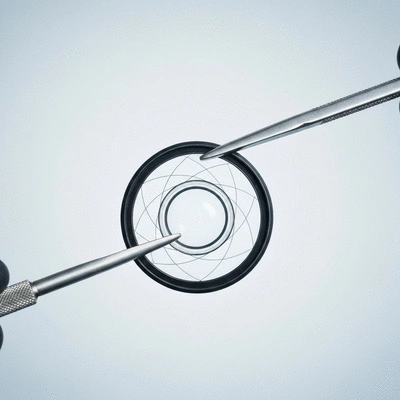
The design of EDOF IOLs is central to their effectiveness. These lenses utilize a unique combination of refractive and diffractive elements to optimize visual clarity. This thoughtful design minimizes visual disturbances and can significantly enhance contrast sensitivity, making everyday activities much easier.
Improved visual clarity at all distances
Reduced dependence on glasses
Advanced optical technologies for better performance
With such advantages, it’s no wonder that EDOF IOLs are gaining popularity among patients looking for freedom from glasses. But how do they stack up against other types of IOLs? Let's explore the comparative benefits next!
Comparative Benefits of EDOF vs. Other IOL Types
As you consider your options, you might wonder why EDOF IOLs are becoming a preferred choice over traditional monofocal lenses and even multifocal options. The answer lies in their unique capabilities.
Why Choose EDOF Over Monofocal IOLs for Presbyopia?
Monofocal IOLs are designed to provide clear vision at one distance, requiring additional corrective lenses for other ranges. In contrast, EDOF IOLs allow for a smoother transition between distances. This enhancement can lead to a more natural visual experience, making daily activities much easier.
EDOF vs. Multifocal and Trifocal IOLs: A Detailed Comparison
While multifocal and trifocal IOLs offer multiple focal points, they can sometimes introduce halos or glare, particularly at night. EDOF IOLs aim to reduce these visual disturbances while maintaining a greater depth of focus. Many patients find that this approach delivers a more comfortable and satisfying vision experience.
Understanding the Benefits of Toric Lenses for Astigmatism Management
If you also have astigmatism, toric EDOF IOLs can be an excellent option. These lenses correct for astigmatism in addition to providing extended depth of focus, making them a versatile choice for many patients. By addressing both presbyopia and astigmatism, you can achieve clearer vision with fewer corrective measures.
Wide range of vision without glasses
Minimized side effects compared to multifocal lenses
Effective astigmatism correction with toric options
Ultimately, the decision on which lens to choose should be guided by your lifestyle, visual needs, and consultation with your eye surgeon. At Singapore Eye Centre, we’re here to provide you with tailored recommendations based on your unique situation!
Clinical Outcomes and Patient Satisfaction with EDOF IOLs
Clinical studies have shown promising outcomes for patients receiving EDOF IOLs, often reporting high degrees of satisfaction. Let's look into some of the important findings surrounding these lenses.
Exploring Research Findings on Visual Acuity and Contrast Sensitivity
Research indicates that patients with EDOF IOLs experience improved visual acuity and contrast sensitivity compared to those with monofocal lenses. These outcomes are crucial for activities that require detailed vision, such as reading and driving at night. For further reading on the efficacy of EDOF IOLs, you can explore studies published by the National Center for Biotechnology Information (NCBI).
Patient Testimonials: Real Experiences with EDOF IOLs
Many patients have shared their success stories with EDOF IOLs. They often highlight the convenience of not having to rely on glasses for everyday tasks, enhancing their overall quality of life. For example, one patient expressed joy in being able to read without squinting or reaching for their glasses. Another valuable resource highlighting patient experiences and outcomes with EDOF IOLs can be found through the NCBI.
Impact of EDOF IOLs on Quality of Life and Visual Function
Overall, EDOF IOLs have been shown to significantly improve patients' quality of life, allowing them to engage more fully in daily activities. Whether it’s enjoying a book, participating in hobbies, or simply enjoying nature, these lenses provide a newfound freedom that many thought was lost.
Enhanced quality of life post-surgery
Greater freedom from glasses
Improved engagement in daily activities
Frequently Asked Questions About EDOF IOLs
Here are some common questions patients have about Extended Depth of Focus (EDOF) Intraocular Lenses:
What are EDOF IOLs? EDOF IOLs are advanced intraocular lenses used in cataract surgery that provide a continuous range of clear vision, enabling focus at various distances without the constant need for glasses.
How do EDOF IOLs differ from monofocal IOLs? Monofocal IOLs correct vision at only one fixed distance, while EDOF IOLs offer a smoother transition and extended depth of focus for clear vision at multiple distances.
Are EDOF IOLs better than multifocal IOLs? EDOF IOLs are designed to minimize visual disturbances like halos and glare, which can sometimes be more pronounced with multifocal IOLs, while still providing a broad range of vision.
Can EDOF IOLs correct astigmatism? Yes, Toric EDOF IOLs are available, which correct for astigmatism in addition to providing extended depth of focus.
What are the main benefits of EDOF IOLs? Key benefits include enhanced visual range, reduced dependence on glasses, improved contrast sensitivity, and minimized halos and glare compared to some other premium IOLs.
What are the potential side effects of EDOF IOLs? Some patients may experience transient halos or glare, especially in low-light conditions, but these typically diminish over time and are generally less severe than with multifocal IOLs.
Who is an ideal candidate for EDOF IOLs? Individuals over 40 experiencing presbyopia are generally good candidates. The best choice depends on overall eye health, lifestyle, and a thorough consultation with an eye surgeon.
Addressing Common Concerns: Side Effects and Considerations
While EDOF IOLs offer numerous advantages, it's essential to discuss the potential side effects and considerations after surgery. Being informed helps set realistic expectations.
Understanding Photic Phenomena: Halos and Glare
Some patients may experience halos or glare, especially in low-light conditions. However, most find that these phenomena diminish over time and are significantly less pronounced than those associated with multifocal IOLs. We encourage open discussions with your surgeon to address any concerns you might have!
Long-Term Outcomes and What to Expect After Surgery
Long-term studies have shown that EDOF IOLs maintain their effectiveness in providing clear vision for years after implantation. Regular follow-ups and eye care are crucial for monitoring your vision health.
Managing Surgical Complications and Visual Disturbances
As with any surgical procedure, some risks exist. However, advancements in surgical techniques have minimized these risks significantly. Should any visual disturbances arise, our team at Singapore Eye Centre is dedicated to addressing them promptly and effectively.
Open communication regarding concerns
Emphasis on regular follow-ups
Strategies for managing side effects
Tailoring EDOF IOL Choices to Individual Needs
As we move forward, it's vital to understand how to personalize your EDOF IOL choices based on your unique needs and lifestyle.
Who Are the Ideal Candidates for EDOF IOLs?
Generally, individuals over 40 who are experiencing presbyopia are ideal candidates for EDOF IOLs. However, factors like overall eye health and lifestyle preferences play significant roles in this decision.
Considerations for Lifestyle and Astigmatism Severity
Your lifestyle heavily influences the choice of IOL. For example, if you enjoy outdoor activities or need to drive frequently, these aspects should be factored into your decision. Additionally, severity of astigmatism can impact which type of EDOF lens may be best for you. The European Society of Cataract and Refractive Surgeons (ESCRS) provides valuable insights into matching technologies to presbyopic patient needs, including considerations for astigmatism.
Personalized Treatment Plans for Optimal Visual Rehabilitation
At Singapore Eye Centre, we focus on developing personalized treatment plans to ensure optimal visual rehabilitation. By assessing your specific needs and visual goals, we can guide you toward the best solutions for your eye health.
Comprehensive evaluations to determine candidacy
Customized strategies based on lifestyle
Commitment to patient education and support
Innovative Models and Future Directions in EDOF IOL Technology
The field of EDOF IOL technology is continuously evolving. Let's take a look at some of the recent advancements and what they mean for you.
Recent Advances: Symfony OptiBlue vs. Vivity Comparisons
Recent advancements have introduced models like the Symfony OptiBlue and Vivity, each offering unique features and benefits. Comparing these models allows us to better understand how they might fit your specific vision needs.
Insights into Regulatory Updates and Insurance Coverage
As new technologies emerge, regulatory updates often follow, impacting insurance coverage for EDOF IOLs. Staying informed about these changes can help you prepare for your cataract surgery journey.
Emerging Lens Technologies and Their Impact on Surgical Outcomes
Emerging technologies in lens design promise to further enhance surgical outcomes and patient satisfaction. By keeping an eye on these innovations, we can ensure that you receive the best possible care.
Continuous improvements in lens technology
Increased options for patient customization
Enhanced focus on long-term outcomes
As we continue to explore the world of EDOF IOLs, our goal at Singapore Eye Centre is to ensure that you feel confident and informed every step of the way. Your vision is worth it!
Interactive Poll: Your Thoughts Matter!
As you consider the advantages of EDOF IOLs, we’d love to hear your thoughts! What aspect of EDOF IOLs do you find most appealing?
Key Takeaways on EDOF Intraocular Lenses for Cataract Surgery
As we wrap up our discussion on Extended Depth of Focus (EDOF) Intraocular Lenses (IOLs), it's essential to highlight the key advantages they bring to cataract surgery. These lenses not only offer innovative solutions for presbyopia correction but also enhance overall visual experiences for patients. By understanding their features and benefits, you can make informed choices that align with your vision needs.
It's clear that EDOF IOLs are revolutionizing how we approach vision correction, particularly for those grappling with the challenges of aging eyes. Their unique design aims to improve both near and far vision, making them an exciting option for many!
Evaluating the Advantages of EDOF IOLs
So, why might EDOF IOLs be the right choice for your vision needs? Here are some compelling advantages:
Enhanced Visual Range: EDOF IOLs provide a greater depth of focus, allowing for clear vision at multiple distances.
Reduced Dependence on Glasses: Many patients find they require fewer glasses for activities such as reading or driving.
Improved Contrast Sensitivity: This allows for better visual performance, especially in low light conditions.
Minimized Halos and Glare: Compared to other multifocal lenses, EDOF IOLs often lead to fewer visual disturbances.
These features make EDOF IOLs an appealing choice, especially for those looking to regain their independence from corrective eyewear. Remember, your personal experience may vary, so discussing these options with a qualified ophthalmologist is vital!
Encouraging Informed Decisions for Patients
Making decisions about your eye health can feel overwhelming, but I'm here to guide you. As you consider EDOF IOLs, it's crucial to take the next steps that ensure you’re well-informed.
Next Steps: Consultations and Assessments for EDOF IOLs
Scheduling a consultation is the first step toward a clearer future. During this visit, our team will assess your eye health and discuss your individual vision needs. Here’s what to expect:
Comprehensive Eye Examination: We’ll evaluate your overall vision, eye health, and discuss any specific concerns.
Personalized Recommendations: Based on your assessment, we’ll help determine if EDOF IOLs are suitable for you.
Discussion of Financial Options: We’ll go over costs and insurance coverage to ensure you’re fully informed.
Your comfort and understanding are our top priorities, so don’t hesitate to ask any questions during your appointment!
Resources for Further Understanding and Engagement
To broaden your understanding, we offer a variety of resources available on our website. Here are some valuable tools:
Informative Guides: Dive deeper into the science behind EDOF IOLs and how they compare to other options.
Patient Case Studies: Real-life experiences can provide insight into what you might expect from the procedure.
FAQs Section: Get answers to common questions regarding surgery and postoperative care.
Engaging with these resources can empower you to make informed choices about your eye health!
Importance of Postoperative Care in Ensuring Optimal Outcomes
Lastly, never underestimate the value of postoperative care! Following your surgery, maintaining regular follow-up appointments is crucial for monitoring healing and ensuring your vision continues to improve.
By adhering to your ophthalmologist’s recommendations and engaging in healthy eye habits, you can enhance the longevity of your visual outcomes. What steps will you take to prioritize your eye health after surgery? Remember, I'm here to support you every step of the way!
Recap of Key Points
Here is a quick recap of the important points discussed in the article:
EDOF IOLs extend the range of vision, allowing for better focus at various distances without the constant need for glasses.
They utilize advanced optical technology, minimizing visual disturbances like halos and glare compared to multifocal lenses.
Patients report high satisfaction rates, enjoying improved visual acuity and a better quality of life post-surgery.
Toric EDOF IOLs effectively address both presbyopia and astigmatism, making them versatile for many patients.
Regular follow-ups and managing patient expectations are crucial for optimal outcomes after surgery.
Singapore Eye Centre
Ophthalmologist specializing in LASIK & SMILE. Trusted authority in refractive treatments in Singapore.
Singapore Eye Centre is dedicated to empowering patients with accurate knowledge about advanced vision correction, ensuring they make informed decisions for their eye health. Join us on our blog for insights on vision correction techniques, surgeon expertise, and patient care to enhance your visual freedom.
Ophthalmologist specializing in refractive eye surgery. Trusted authority in LASIK and SMILE procedures in Singapore.
Singapore Eye Centre is dedicated to educating patients about advanced vision correction techniques, empowering individuals to make informed decisions about their eye health. Join her on our platform for insightful articles, patient experiences, and the latest advancements in vision correction, enhancing your journey towards optimal vision.