Jul 12
Pre-Operative and Post-Operative Insights
As you embark on your journey towards clearer vision, understanding the pre-operative assessment for SMILE and LASIK is essential. This vital process not only ensures your candidacy for surgery but also helps you prepare mentally and practically for the experience ahead. Here’s what you will learn about making informed decisions regarding your eye health.
What You Will Learn
- The essential screening criteria that determine if you're a good candidate for SMILE or LASIK.
- Key tests and evaluations, such as corneal topography and pachymetry, that assess your eligibility for surgery.
- The importance of age stability and corneal thickness in the success of your refractive surgery.
- Crucial preparations you should undertake before surgery, including financial planning and understanding anesthesia options.
- Effective strategies for managing anxiety leading up to your surgery and during recovery.
- Resources for continued support and education post-surgery, ensuring you stay informed about your eye health.
Pre-Operative Assessment for SMILE & LASIK
This visual outlines the crucial steps and considerations during the pre-operative assessment and preparation phases for SMILE and LASIK procedures.
Essential Screening Criteria
- • Eye Health: Thorough examination.
- • Medical History: Discuss conditions.
- • Vision Stability: Stable prescription (1+ year).
- • Age: Generally 18+ years.
Ensures safety & successful outcome.
Key Pre-Op Tests
- • Corneal Topography: Maps surface irregularities.
- • Pachymetry: Measures corneal thickness.
- • Refraction Test: Determines exact prescription.
- • Refractive Error: Assesses myopia, hyperopia, astigmatism.
Critical for tailoring procedure.
Pre-Surgery Preparation
- • Restrictions: Cease contact lens wear (days/weeks).
- • Hygiene: Avoid eye makeup/creams.
- • Financial: Check insurance, plan expenses.
- • Logistical: Arrange transportation.
Minimizes surprises, optimizes experience.
Anesthesia & Support
- • Options: Sedation vs. Local Anesthesia.
- • Communication: Discuss preferences with surgeon.
- • Anxiety: Practice deep breathing, visualize success.
- • Post-Op: Know resources for questions/concerns.
Prioritizes comfort & peace of mind.
Understanding Pre-Operative Assessment for SMILE and LASIK
Before diving into the world of refractive eye surgery, it's crucial to understand the pre-operative assessment process for both SMILE and LASIK procedures. This assessment ensures that you’re a suitable candidate for the surgery and helps identify any potential issues that could affect your outcome. As a passionate advocate for patient education at Singapore Eye Centre, I believe that knowledge is power when it comes to making informed decisions about your vision health!
Essential Screening Criteria: Are You a Good Candidate?
So, you might be wondering, "Am I a good candidate for SMILE or LASIK?" There are several key factors that the surgeon will evaluate during your initial consultation. Understanding these essential screening criteria can help ease your mind as you prepare for surgery.
- Overall Eye Health: A thorough examination of your eye's health is essential.
- Medical History: Discuss any existing health conditions with your surgeon.
- Vision Stability: Your prescription should be stable for at least a year.
These criteria ensure your safety and improve the likelihood of a successful outcome. Remember, every patient is unique, and your specific situation will be taken into account!
Key Tests and Evaluations for Eligibility
During the pre-operative assessment, various tests will be conducted to determine your eligibility for the procedure. Common tests include:
- Corneal Topography: This maps the surface of your cornea to identify any irregularities.
- Pachymetry: Measures the thickness of your cornea.
- Refraction Test: Helps determine your exact prescription.
These evaluations are critical in ensuring that the procedure is right for you and helps tailor the approach based on your unique needs.
Age Stability and Refractive Error Considerations
Your age and the stability of your refractive error play significant roles in determining candidacy for SMILE and LASIK. Generally, you should be at least 18 years old and have a stable vision prescription for at least a year. This is to ensure that your eyes have settled and are less likely to change post-surgery. For further details on pre-operative care, you can refer to comprehensive guidelines on refractive surgery assessments.
Additionally, the level of refractive error—whether myopia, hyperopia, or astigmatism—will also be assessed. Understanding these factors helps us guide you toward the right treatment option that meets your vision goals.
Corneal Thickness Measurements: Importance in Refractive Surgery
One of the critical aspects of your pre-operative assessment is measuring your corneal thickness. It's essential because both SMILE and LASIK procedures alter the cornea to correct vision. A thicker cornea is typically favorable as it provides more tissue to work with during surgery.
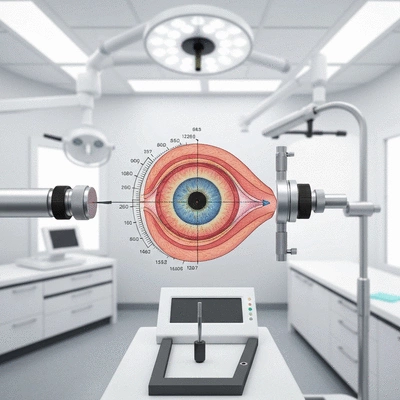
At the Singapore Eye Centre, we take corneal thickness measurements seriously, as it directly impacts your safety and the potential success of your surgery. If your cornea is too thin, we’ll discuss alternative options or strategies to enhance your candidacy.
Preparing for Surgery: What You Need to Know
Once you have been deemed a suitable candidate, the next step is preparing for your surgery. This phase is crucial for minimizing any surprises and optimizing your experience on the day of your procedure. Effective pre-operative and post-operative care planning significantly contributes to a smooth surgical journey.
- Follow Pre-Surgery Restrictions: This may include ceasing contact lens wear.
- Financial Preparation: Understand the costs involved and plan accordingly.
- Understanding Anesthesia Options: It’s important to know what to expect regarding anesthesia during your procedure.
Feeling prepared is part of feeling confident, so let's ensure you're ready for this exciting journey!
Pre-Surgery Restrictions: Contact Lenses and More
Before surgery, you'll need to stop wearing contact lenses for a period of time, typically ranging from a few days to a few weeks, depending on the type of lens you use. This is because contact lenses can alter the shape of your cornea, affecting the measurements needed for your procedure. Glasses will become your best friend during this time!
Additionally, it’s essential to avoid eye makeup, lotions, or creams on the day of the surgery to minimize the risk of infection.
Financial and Logistical Preparation for Your Procedure
Understanding the financial aspects of your surgery is equally important. Check with your insurance to see what is covered and consider setting aside funds for any out-of-pocket expenses. It’s also wise to plan your transportation to and from the clinic, as you won’t be able to drive right after the procedure.
Staying organized in these aspects can help alleviate any stress on the day of your surgery!
Understanding Anesthesia Options: Sedation vs. Local Anesthesia
When it comes to anesthesia for SMILE and LASIK, you'll typically have options between sedation and local anesthesia. Sedation can help you feel more relaxed during the procedure, while local anesthesia will numb your eye, ensuring you don’t feel pain. Discussing your preferences with your surgeon will help tailor the experience to your comfort level.
At the Singapore Eye Centre, we prioritize your comfort and understanding of every step in this process, so don't hesitate to ask questions during your consultation!
We Want to Hear From You!
As you consider your options for SMILE or LASIK, what concerns or questions do you have about the pre-operative assessment? Share your thoughts below:
Frequently Asked Questions (FAQs)
- 1. What are the essential screening criteria for SMILE or LASIK?
- Essential screening criteria include overall eye health, a review of your medical history, stable vision prescription for at least a year, and generally being 18 years or older. These factors ensure safety and a successful outcome.
- 2. What key tests are performed during the pre-operative assessment?
- Key tests typically include Corneal Topography (maps corneal surface), Pachymetry (measures corneal thickness), and a Refraction Test (determines exact prescription). These are critical for tailoring the procedure to your specific needs.
- 3. Why is corneal thickness important for refractive surgery?
- Corneal thickness is crucial because both SMILE and LASIK involve reshaping the cornea. A thicker cornea provides more tissue for the surgeon to work with, impacting the safety and potential success of the surgery. Patients with thin corneas may need to consider alternative options.
- 4. What preparations should I make before surgery?
- Before surgery, you should cease contact lens wear for a specified period, avoid eye makeup and creams on the day of surgery, plan for financial costs and insurance coverage, and arrange transportation to and from the clinic.
- 5. What anesthesia options are available for SMILE and LASIK?
- Typically, you will have options between conscious sedation to help you relax and local anesthesia to numb your eye. Discussing your preferences with your surgeon ensures the experience aligns with your comfort level.
Wrapping Up Your Surgical Journey: Key Takeaways
As you approach the conclusion of your surgical journey, it's essential to reflect on key aspects that will aid your recovery and ensure optimal results. Preparing yourself both mentally and practically can significantly enhance your experience. Let's delve into some vital takeaways that can help you navigate the aftermath of your SMILE or LASIK surgery!
Preparing Yourself Mentally and Practically
Communication with your ophthalmologist is crucial! Being open about any concerns or questions you might have can foster a supportive environment. This partnership can help clarify expectations regarding your recovery process. You can find more information on general preoperative guidelines for surgical patients, which often include mental preparation strategies.
The Importance of Communication with Your Ophthalmologist
- Ask about the specific recovery timeline and what you should anticipate.
- Inquire about potential side effects and how to manage them effectively.
- Discuss any anxiety you may have leading up to your surgery.
Remember, your ophthalmologist is there to guide you! Open dialogue can lead to better understanding and preparedness, making your surgical journey much smoother.
Managing Anxiety: Tips for a Calm Experience
- Practice deep breathing exercises to calm your nerves.
- Visualize your successful recovery and the benefits of clearer vision.
- Engage in light activities that distract and relax you, like reading or listening to music.

Feeling anxious is normal, especially before surgery! I recommend taking steps to manage it proactively. By focusing on calming techniques, you can create a positive mindset as you prepare for your vision correction journey.
Seeking Further Information and Support
After your procedure, you might have questions or concerns. It's essential to know where to turn for accurate information and support. Let’s explore some resources that are available to you!
Resources for Questions and Concerns Post-Surgery
- Connect with your ophthalmologist's office for follow-up queries.
- Explore reputable online forums and communities focused on vision correction.
- Refer to patient handouts provided during your pre-operative visit.
Having reliable resources at your fingertips can alleviate uncertainty! Trust me, staying informed is key to navigating your recovery effectively.
Contact Information for Local Ophthalmologists and Clinics
If you need to reach out for support, ensure you have contact details readily available. I recommend keeping this information close by:
- Phone numbers for your ophthalmologist's office
- Email addresses or patient portals for quick communication
- Local eye clinics for urgent concerns
Don’t hesitate to reach out if you need assistance! Knowing where to turn can bring you peace of mind.
Patient Education Resources for Understanding Your Vision Correction Options
Finally, it’s always beneficial to educate yourself about further vision correction options. Some valuable resources include:
- Educational websites dedicated to LASIK and SMILE procedures.
- Webinars and workshops hosted by leading eye care professionals.
- Books and articles written by experts in the field.
Empowering yourself with knowledge can guide future decisions regarding your eye health. At the Singapore Eye Centre, we're passionate about ensuring you have the information you need to make informed choices!
Recap of Key Points
Here is a quick recap of the important points discussed in the article:
- Ensure overall eye health and discuss medical history with your surgeon during the initial consultation.
- Stability of vision prescription for at least one year is crucial for eligibility.
- Corneal thickness measurements are important in determining candidacy for SMILE and LASIK procedures.
- Prepare for surgery by understanding financial aspects, anesthesia options, and following pre-surgery restrictions.
- Maintain open communication with your ophthalmologist for a smoother surgical journey and recovery process.
- Utilize available resources for post-surgery questions and further education on vision correction options.

Singapore Eye Centre
Ophthalmologist specializing in LASIK & SMILE. Trusted authority in refractive treatments in Singapore.
Singapore Eye Centre is dedicated to empowering patients with accurate knowledge about advanced vision correction, ensuring they make informed decisions for their eye health. Join us on our blog for insights on vision correction techniques, surgeon expertise, and patient care to enhance your visual freedom.