
Jul 02
LASIK and Eye Condition Risks
Are you aware of the unique considerations involved in LASIK surgery for diabetic and glaucoma patients? Understanding these factors can significantly influence your decision-making process and ensure optimal outcomes.
What You Will Learn
- Diabetic retinopathy can affect LASIK candidacy, requiring careful evaluation of eye health.
- Maintaining an HbA1C level below 6.5% is crucial for LASIK eligibility.
- Corneal thickness is impacted by diabetes, which can influence surgical outcomes.
- Glaucoma patients face specific risks, including changes in intraocular pressure during surgery.
- Understanding aqueous humor dynamics is key for glaucoma patients considering LASIK.
- Singapore has specific guidelines for LASIK candidates with diabetes and glaucoma to ensure safety.
- Assessing retinopathy severity is vital in making informed LASIK decisions.
- Recognizing risk factors for complications can help tailor a safer LASIK experience.
LASIK Eligibility for Diabetic & Glaucoma Patients
Understanding the specific criteria and challenges for LASIK surgery is crucial for patients with diabetes and glaucoma. The following outlines key considerations for eligibility and potential risks.
Diabetes Considerations for LASIK
- HbA1C Levels: Below 6.5% generally recommended for stable blood sugar.
- Corneal Thickness: Diabetes can affect corneal integrity; careful assessment is crucial.
- Retinopathy Severity: Detailed examinations determine eligibility based on severity.
Glaucoma Considerations for LASIK
- Intraocular Pressure (IOP): Changes during LASIK can affect healing; continuous monitoring is essential.
- Aqueous Humor Dynamics: Disrupted fluid flow can complicate surgery.
- Optic Nerve Health: Existing damage influences surgical outcomes.
Recognizing the Challenges of LASIK for Diabetic and Glaucoma Patients in Singapore
Considering LASIK eye surgery? It’s essential to understand the unique challenges faced by diabetic and glaucoma patients. At Singapore Eye Centre, we’re dedicated to helping you make informed decisions about your vision health, especially when underlying conditions are at play.
LASIK can offer freedom from glasses and contact lenses, but it’s not a one-size-fits-all solution. Understanding how conditions like diabetes and glaucoma impact LASIK eligibility is key. Let’s dive into what you need to know.
Understanding Diabetic Retinopathy and Its Impact on LASIK Eligibility
What is Diabetic Retinopathy and How Does It Affect Vision?
Diabetic retinopathy is a serious complication of diabetes that affects the eyes. It occurs when high blood sugar levels damage the blood vessels in the retina, leading to vision problems. Patients may experience blurry vision, dark spots, or even complete vision loss if not managed properly.
If you have diabetes, it’s crucial to monitor your eye health regularly. Diabetic retinopathy can significantly influence your LASIK candidacy. The presence of this condition may indicate that your eyes need more careful evaluation before considering any surgical options.
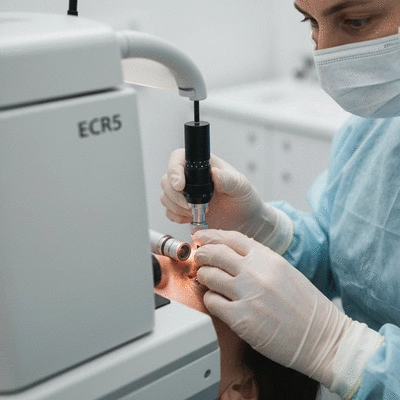
Critical HbA1C Levels for LASIK Candidates
Your HbA1C levels play a vital role in determining LASIK eligibility. This blood test reflects your average blood sugar levels over the past two to three months. Generally, an HbA1C level below 6.5% is recommended for LASIK candidates, as higher levels can increase the risk of complications. For more information on surgical considerations for patients with diabetes, you can refer to resources from the American Academy of Ophthalmology.
Keeping your HbA1C within a healthy range is essential for both your overall health and your vision. At Singapore Eye Centre, we emphasize the importance of stable blood sugar control before considering LASIK.
Impact of Diabetes on Corneal Thickness and LASIK Outcomes
Diabetes can affect corneal thickness, which is a critical factor for LASIK surgery. A thinner cornea may lead to less favorable surgical outcomes and a higher risk of complications. Consequently, we assess corneal thickness during your preoperative evaluation.
- Corneal thickness measurements help determine the safest approach for surgery.
- Diabetes can lead to fluctuations in corneal integrity.
- Understanding these factors can guide your treatment plan.
By understanding how diabetes alters corneal thickness, we can better tailor your LASIK experience to ensure optimal results.
Evaluating Glaucoma Risks in LASIK Candidates
How Does Glaucoma Influence LASIK Surgery Outcomes?
Glaucoma is another condition that requires careful consideration when discussing LASIK. This group of eye diseases damages the optic nerve, often due to increased intraocular pressure. Patients with glaucoma may have varying outcomes from LASIK due to these underlying factors.
At Singapore Eye Centre, we recognize that LASIK may not be ideal for everyone. Understanding how glaucoma impacts surgery outcomes is crucial. We focus on personalized assessments to address these complexities.
Intraocular Pressure Changes: A Major Concern
Increased intraocular pressure (IOP) is a significant concern for glaucoma patients considering LASIK. During the procedure, changes in pressure can affect the healing process and overall results. It’s vital for us to monitor and manage IOP before and after surgery. The Mayo Clinic provides further details on potential risks associated with LASIK.
- Regular IOP assessments are part of our evaluation.
- We develop tailored management strategies to mitigate risks.
- Minimizing IOP fluctuations can lead to better surgical outcomes.
Being proactive about intraocular pressure is key to ensuring a secure and successful LASIK experience.
Understanding Aqueous Humor Dynamics in Glaucoma Patients
The flow of aqueous humor—the fluid in your eye—plays a vital role in maintaining eye pressure and overall health. For glaucoma patients, this flow can be disrupted, which may complicate LASIK surgery. Understanding these dynamics helps us make informed decisions regarding your treatment.
We value patient education at Singapore Eye Centre, so knowing how aqueous humor impacts your surgery is essential for confidence in your LASIK journey. It’s all about understanding the nuances!
Eligibility Criteria for LASIK in Patients with Diabetes and Glaucoma
Singapore-Specific Guidelines for LASIK Candidates
In Singapore, specific guidelines exist for LASIK candidates with diabetes and glaucoma. These guidelines ensure patient safety while addressing individual health needs. Treatment decisions are based on comprehensive evaluations by skilled professionals.
- Patients must meet specific medical criteria related to their condition.
- Thorough assessments of ocular health are necessary.
- Informed consent is a crucial part of the process.
We strive to make your LASIK experience smooth and secure by adhering to these guidelines, ensuring you receive the best possible care.
Understanding Retinopathy Severity and Its Role in LASIK Decisions
The severity of retinopathy directly impacts LASIK candidacy. We assess the extent of this condition through detailed examinations, which guide our recommendations. This evaluation is essential for understanding the overall health of your retina.
At Singapore Eye Centre, we prioritize patient education so you know exactly how retinopathy may affect your LASIK options. Knowledge is power!
Risk Factors for LASIK Complications in Diabetic and Glaucoma Patients
When considering LASIK, it’s crucial to recognize the risk factors for complications, especially for those with diabetes and glaucoma. These can include:
- Delayed healing due to blood sugar fluctuations.
- Increased risk of infection.
- Potential for corneal complications.
By understanding these risks, we can work together to develop a tailored plan that addresses your unique needs, ensuring a safer LASIK experience. For more insights into the risks and how to find the right doctor, the FDA provides helpful information.
Frequently Asked Questions (FAQs) about LASIK for Diabetic and Glaucoma Patients
What are the primary considerations for diabetic patients considering LASIK?
For diabetic patients, key considerations include maintaining stable HbA1C levels (generally below 6.5%), careful evaluation of corneal thickness due to potential integrity issues, and a detailed assessment of diabetic retinopathy severity.
Why are HbA1C levels important for LASIK eligibility?
HbA1C levels indicate average blood sugar over 2-3 months. Stable blood sugar (below 6.5% HbA1C) is crucial because high levels can increase the risk of complications during and after LASIK, affecting healing and overall outcomes.
How does glaucoma affect a patient's suitability for LASIK surgery?
Glaucoma patients face specific risks such as changes in intraocular pressure (IOP) during and after surgery, which can impact healing. Disruptions in aqueous humor dynamics and existing optic nerve damage also influence surgical outcomes, requiring careful monitoring and assessment.
Are there specific guidelines for LASIK candidates with diabetes and glaucoma in Singapore?
Yes, Singapore has specific guidelines for LASIK candidates with these conditions. These guidelines emphasize comprehensive evaluations of ocular health, adherence to strict medical criteria, and informed consent to ensure patient safety and optimal treatment decisions.
What are the potential complications of LASIK for patients with diabetes or glaucoma?
Potential complications include delayed healing due to blood sugar fluctuations in diabetic patients, an increased risk of infection, and various corneal complications. For glaucoma patients, managing intraocular pressure changes is a major concern.
Pro Tip
Did you know? Maintaining a stable HbA1C level is crucial not only for your overall health but also for your LASIK candidacy. Regularly monitoring your blood sugar can significantly reduce the risk of complications during and after the procedure. Make it a priority to discuss your blood sugar management with your healthcare provider before considering LASIK.
Making Informed Decisions About LASIK with Diabetes and Glaucoma
When considering LASIK eye surgery as a diabetic or glaucoma patient, it’s essential to reflect on various factors that could impact your decision. Understanding both the benefits and the risks associated with LASIK is vital. I often see patients who are eager to improve their vision but feel uncertain due to their conditions. Let’s break this down together so you can feel confident in your choices!
Summarizing Key Considerations for LASIK Candidates
Before proceeding with LASIK, you need to assess the overall safety and potential risks involved. Here are some critical considerations:
- Health Status: Your current health, especially how well your diabetes or glaucoma is managed, plays a significant role.
- Vision Quality: The severity of your vision issues will influence whether LASIK is the best solution for you.
- Success Rates: Familiarize yourself with the success rates of LASIK for patients with similar conditions.
It’s equally important to prepare for your consultation by thinking of questions that will help clarify your doubts. Here are some essential questions to consider:
- What specific risks are associated with LASIK for someone with diabetes or glaucoma?
- Can you explain how my current medication or treatment may affect the surgery?
- What are the post-operative care requirements, especially tailored to my conditions?

Understanding the Safety and Risks Involved
Every surgical procedure carries its inherent risks, and LASIK is no exception. For those of us with diabetes and glaucoma, additional considerations come into play, such as the healing process and potential complications that can arise. If you’re feeling anxious about these factors, I encourage you to voice those concerns during your consultation. Open dialogue is key!
Preparing for Your Consultation: Questions to Ask
It’s crucial to go into your consultation equipped with the right questions. This will not only help you feel more informed but will also assist your surgeon in addressing your specific needs. Remember, the more you know, the better prepared you’ll be to make your decision!
Importance of Surgeon Experience in LASIK Outcomes
The qualifications and experience of your surgeon are paramount in determining the success of your LASIK surgery. A surgeon who specializes in procedures for patients with diabetes and glaucoma will better understand the nuances involved. Don’t hesitate to ask about their experience, success rates, and patient testimonials. It’s your vision—we want you to have the best!
Taking the Next Steps Toward Vision Correction
As you navigate your journey toward LASIK, fostering open communication with your healthcare providers is crucial. Share your concerns, ask questions, and make sure you’re comfortable with the plan moving forward.
Encouraging Open Communication with Healthcare Providers
Being transparent about your medical history, current treatment plans, and any apprehensions you may have is vital. Your healthcare providers are there to support you, so don’t hesitate to reach out for advice and information. They can help tailor a surgical plan that considers your conditions.
Booking a Consultation: What to Expect
When you book a consultation, expect a thorough evaluation of your eye health and vision goals. You’ll undergo various tests, and your doctor will discuss the results and potential LASIK options. This is an excellent opportunity to ask those prepared questions and clarify any uncertainties.
Healthcare Policies and Insurance Considerations for LASIK
Lastly, understanding the financial aspects of LASIK is essential. Not all insurance plans cover the procedure, especially for patients with existing conditions. Be sure to inquire about your coverage details and any financial options available to make your vision correction journey as smooth as possible.
Recap of Key Points
Here is a quick recap of the important points discussed in the article:
- Diabetic Retinopathy: Regular monitoring of eye health is essential as it significantly influences LASIK candidacy.
- HbA1C Levels: An HbA1C level below 6.5% is generally recommended for LASIK candidates to minimize complications.
- Corneal Thickness: Diabetes can affect corneal thickness, impacting surgical outcomes; assessments are critical.
- Glaucoma Risks: Increased intraocular pressure requires careful monitoring before and after LASIK surgery.
- Eligibility Criteria: Singapore-specific guidelines ensure patient safety and thorough evaluations for LASIK candidates.
- Understanding Risks: Be aware of complications such as delayed healing, infection risks, and corneal issues when considering LASIK.
- Importance of Communication: Open dialogue with healthcare providers is crucial for tailored surgical plans and understanding risks.

Singapore Eye Centre
Ophthalmologist specializing in LASIK & SMILE. Trusted authority in refractive treatments in Singapore.
Singapore Eye Centre is dedicated to empowering patients with accurate knowledge about advanced vision correction, ensuring they make informed decisions for their eye health. Join us on our blog for insights on vision correction techniques, surgeon expertise, and patient care to enhance your visual freedom.