Importance of Laser Eye Surgery
- • Enhancement of visual acuity
- • Reduction of dependency on glasses or contact lenses
- • Improved quality of life
Welcome to Singapore Eye Centre!
Mar 29
Choosing to undergo laser eye surgery is a significant decision, and understanding the standards and protocols can empower you to make informed choices. As you explore your options, keep in mind the importance of safety and quality in your journey to better vision.
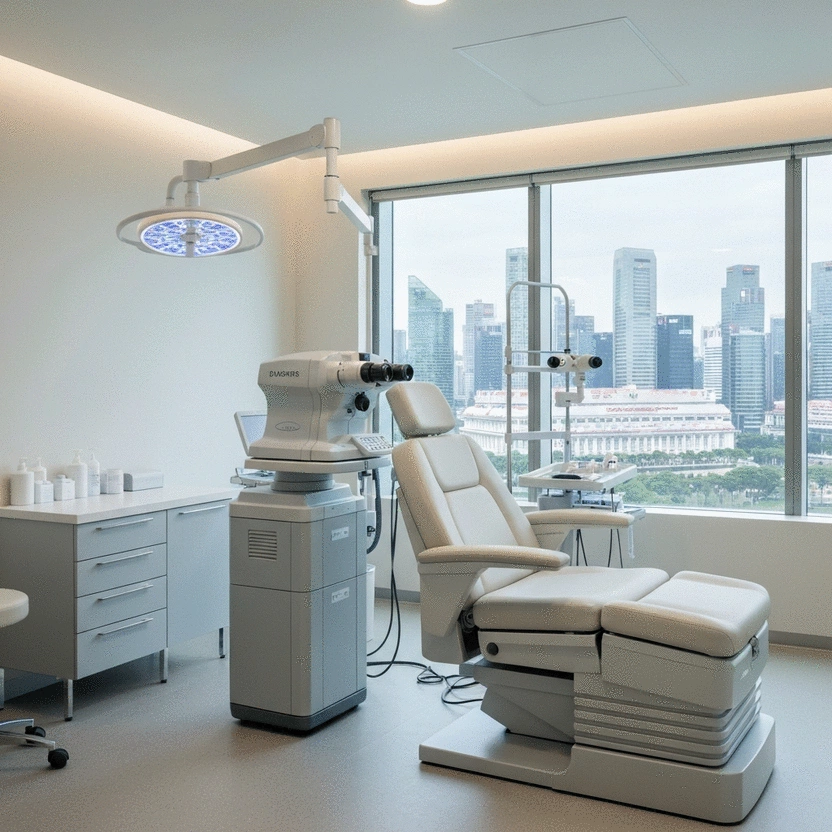
This visual outlines the crucial elements that ensure quality and safety in advanced laser eye treatments, focusing on regulatory oversight, patient care protocols, and informed decision-making.
As someone deeply invested in patient care, I can’t emphasize enough the importance of understanding the standards surrounding advanced laser eye treatments. Laser eye surgery, particularly procedures like LASIK and SMILE, plays a crucial role in vision correction for many individuals. These techniques can provide remarkable benefits, allowing patients to enjoy clearer vision and greater freedom from glasses or contact lenses!
However, to ensure the safety and effectiveness of these procedures, it is vital for patients to be informed about the standards that govern them. In this section, we will explore the importance of laser eye surgery, the regulations in Singapore’s eye care sector, and what you should know about safety protocols and patient care.
Laser eye surgery encompasses various procedures designed to improve vision by reshaping the cornea using advanced laser technology. This includes well-known methods such as LASIK and SMILE. The primary goal is to correct refractive errors, allowing patients to achieve clearer vision without the dependence on corrective lenses.
As a specialist in refractive eye surgery at Singapore Eye Centre, I have witnessed firsthand how these treatments can transform lives. Each patient’s journey begins with understanding their unique needs and options. For general information on laser products and instruments, the FDA provides comprehensive resources.
In Singapore, the eye care sector is governed by strict regulatory standards to ensure patient safety and high-quality care. These regulations are established to protect patients and ensure they receive the best possible treatment. Compliance with these standards is crucial for all healthcare providers offering laser eye surgeries.
The Ministry of Health (MOH) Singapore and the Singapore Medical Council (SMC) are two key bodies overseeing these regulations. They set the standards for medical practice, ensure that healthcare providers maintain high levels of competency, and enforce compliance through regular audits.
Being aware of these regulatory frameworks can help potential patients make informed decisions about their treatment options. Understanding the importance of these standards fosters confidence in the choices we make for our vision health. For detailed information on the safe use of lasers in healthcare, the ANSI/ASAP Z136.3-2024 standard offers valuable insights.
What factors are most important to you when considering laser eye surgery? Share your thoughts below:
At Singapore Eye Centre, we believe that understanding patient care standards in laser eye treatments is essential for anyone considering a vision correction procedure. Comprehensive pre and post-operative protocols are not just best practices; they are vital to ensuring your safety and optimal recovery. By familiarizing yourself with these standards, you're taking the first step toward informed decision-making!
Effective patient care encompasses a range of factors, including rigorous assessments before surgery, thorough communication regarding expectations, and detailed follow-up care. This comprehensive approach helps us deliver the highest quality of service while empowering you to achieve your vision goals.
Pre-operative and post-operative care protocols can significantly influence the success of your laser eye treatment. Here are some key components:
By adhering to these protocols, we strive to create a supportive and safe environment for our patients, ensuring that you feel comfortable and informed throughout your journey. This aligns with broader medical guidelines that emphasize comprehensive patient care and safety, as highlighted in various studies on quality and safety in ophthalmology.
At Singapore Eye Centre, we understand that choosing to undergo laser eye surgery is a significant decision. We aim to equip you with all the necessary information to make an informed choice. From understanding costs to finding the right treatment facility, we cover all the bases!
Here are some common questions prospective patients often ask about laser eye surgery:
When considering laser eye treatments, it's essential to understand the costs involved and how insurance may play a role. Here are some factors to consider:
By understanding these financial considerations, you can better prepare for the investment in your vision health.
Choosing the right treatment facility can be overwhelming, but it’s crucial for your care. Here are some tips to help you find the right fit:
At Singapore Eye Centre, we pride ourselves on our commitment to quality care and patient education. We’re here to help guide you in making the right choice for your vision health!
In your search for qualified eye care professionals, utilize these resources:
The Health Sciences Authority plays a pivotal role in regulating medical practices in Singapore. They ensure that clinics adhere to strict guidelines for safety and quality, which is vital for patients considering laser eye treatments. Understanding the HSA’s role can give you confidence as you embark on your journey toward improved vision.
Here is a quick recap of the important points discussed in the article:
Ophthalmologist specializing in LASIK & SMILE. Trusted authority in refractive treatments in Singapore.
Singapore Eye Centre is dedicated to empowering patients with accurate knowledge about advanced vision correction, ensuring they make informed decisions for their eye health. Join us on our blog for insights on vision correction techniques, surgeon expertise, and patient care to enhance your visual freedom.
Ophthalmologist specializing in refractive eye surgery. Trusted authority in LASIK and SMILE procedures in Singapore.
Singapore Eye Centre is dedicated to educating patients about advanced vision correction techniques, empowering individuals to make informed decisions about their eye health. Join her on our platform for insightful articles, patient experiences, and the latest advancements in vision correction, enhancing your journey towards optimal vision.