
Nov 05
Assessing Your LASIK Candidacy Today
Are you ready to take the first step towards a clearer vision? LASIK eye surgery is not just a medical procedure; it's a life-changing experience that can free you from glasses and contact lenses. Understanding the nuances of LASIK can empower you to make informed decisions about your eye health.
What You Will Learn
- LASIK is a laser-based surgery that corrects common vision problems like myopia, hyperopia, and astigmatism by reshaping the cornea.
- Not everyone is a suitable candidate for LASIK; factors such as age, prescription stability, and overall eye health must be considered.
- The LASIK procedure is generally quick, pain-free, and results in rapid improvement in vision, often within 24 hours.
- If LASIK isn't right for you, alternative options like Implantable Contact Lenses (ICL) and PRK are available to consider.
LASIK Candidacy and Benefits Overview
This visual outlines the key criteria for LASIK suitability and the significant benefits patients experience.
✓ Candidacy Criteria
- Age: Typically 18+ years old
- Vision Stability: Stable prescription for ~1 year
- Eye Health: Evaluated for dry eyes, corneal thickness
★ Key Benefits of LASIK
- Rapid Results: Immediate vision improvement
- Pain-Free: Numbing drops ensure comfort
- Long-Lasting: Clear vision for years
→ Post-Assessment Steps
- Suitable: Schedule surgery, follow pre-op instructions
- Unsuitable: Explore alternatives (ICL, PRK, EPILASIK)
- Post-Op: Rapid recovery, follow-up care crucial
⚙ Technology's Role
- Excimer Laser: Reshapes cornea with precision
- Customization: Tailored to individual eye needs
- Faster Recovery: Contributes to quicker healing
Understanding LASIK and Candidacy in Singapore
Are you curious about LASIK eye surgery and how it might change your life? You're not alone! Understanding LASIK is crucial for anyone considering vision correction, especially in Singapore, where this procedure has become increasingly popular. Let's dive into what LASIK is and how it works.
What is LASIK and How Does it Work?
LASIK, or Laser-Assisted In Situ Keratomileusis, is a type of refractive eye surgery that aims to correct common vision problems such as myopia (nearsightedness), hyperopia (farsightedness), and astigmatism. The procedure involves reshaping the cornea using a laser, which allows light entering the eye to be focused more accurately on the retina.
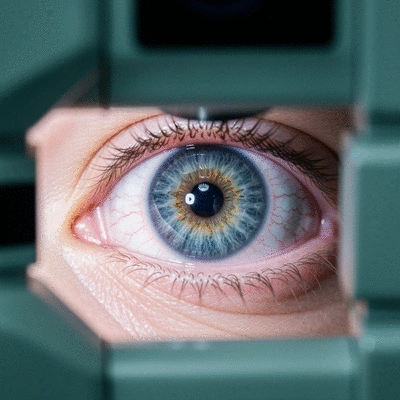
During the LASIK procedure, a thin flap is created in the cornea, which is then lifted to access the underlying tissue for laser treatment. After the cornea is reshaped, the flap is put back into place. This minimally invasive approach enables quick recovery time and can significantly improve visual acuity, often allowing patients to see clearly without glasses or contacts!
Why Understanding LASIK Suitability Matters
Determining if you're a suitable candidate for LASIK is essential. Not everyone is eligible for this procedure, and understanding the criteria can save you time and emotional stress. For instance, age, eye health, and lifestyle factors all play a significant role in your candidacy. The American Refractive Surgery Council provides a comprehensive screening guide to help assess suitability.
- Age: Candidates must typically be 18 or older.
- Vision Stability: Your prescription should be stable for at least a year.
- Overall Eye Health: Conditions such as dry eyes or corneal thickness must be evaluated. Further details on preoperative evaluation for LASIK surgery are available on EyeWiki.
Knowing whether you meet these requirements can help you make an informed decision about your vision correction journey. At Singapore Eye Centre, we emphasize the importance of patient education to empower you in your choices!
Overview of LASIK Surgery and Its Benefits
LASIK surgery offers numerous benefits that can transform how you experience daily life. Here are some of the key advantages:
- Rapid Results: Most patients notice improved vision almost immediately after surgery.
- Pain-Free Procedure: The use of numbing drops makes the LASIK experience comfortable.
- Long-Lasting Results: Many patients enjoy clear vision for years after the procedure.
With these benefits in mind, it's no wonder that many Singaporeans are exploring LASIK as a viable option for vision correction.
How LASIK Surgery Improves Visual Acuity
One of the most remarkable aspects of LASIK surgery is its ability to enhance visual acuity. By reshaping the cornea, light enters the eye more efficiently, allowing for better focus on objects at various distances. Many patients report a significant reduction or complete elimination of their dependence on glasses or contact lenses.
Imagine waking up in the morning and seeing clearly right away! That freedom is what many LASIK patients cherish after their surgeries.
The Role of Laser Technology in LASIK
Modern LASIK procedures utilize advanced laser technology to ensure precision and safety. The excimer laser is commonly used to perform the corneal reshaping, delivering highly accurate results. The technology allows for customization based on the unique corneal shape and vision needs of each patient, which is why having a qualified surgeon like those at Singapore Eye Centre is vital.
These innovations not only enhance the efficacy of the surgery but also contribute to quicker recovery times, allowing patients to return to their daily activities sooner.
We Want to Hear From You!
Have you considered LASIK or undergone the procedure? What factors influenced your decision? Share your thoughts below:
Moving Forward: Next Steps After Your Assessment
So, you've completed your LASIK assessment, and now it's time to think about the next steps! Whether you’ve received a green light for surgery or discovered that LASIK might not be the best fit for you, understanding what comes next is essential for your journey toward clearer vision.
What to Do If You Are a Suitable Candidate
If you are deemed a suitable candidate for LASIK, congratulations! This is an exciting milestone. The first step you will take is to schedule your surgery date. It’s also crucial to discuss any pre-operative instructions with your ophthalmologist. These instructions may include:
- Avoiding contact lenses for a specified time before the procedure.
- Arranging for someone to drive you home post-surgery.
- Discussing any medications you should or shouldn’t take leading up to the surgery.
Being proactive in your preparations can help ensure a smooth surgical experience. Remember, your comfort and understanding of the process are key to feeling confident about your upcoming procedure!
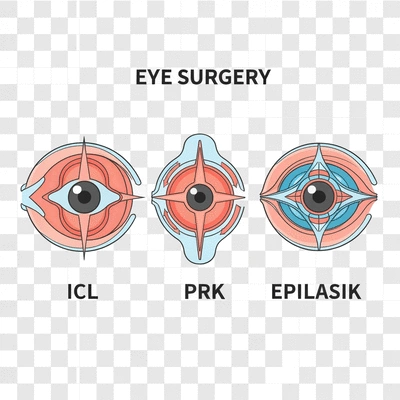
Considerations for Those Unsuitable for LASIK
If your assessment reveals that LASIK isn't right for you, don't get discouraged! There are a variety of alternative vision correction options available. Here’s a brief overview of what you might consider:
- Implantable Contact Lenses (ICL): A reversible option that can be suitable for those with thin corneas.
- PRK (Photorefractive Keratectomy): A surface laser treatment ideal for certain eye conditions.
- EPILASIK: A hybrid of LASIK and PRK that may offer benefits for some patients.
Consulting with your ophthalmologist will help you explore these alternatives and find the best solution tailored to your specific needs!
Postoperative Care and Recovery Time After LASIK
After your LASIK procedure, understanding the recovery process will be crucial to achieving your desired outcomes. Most patients experience a rapid recovery, but it’s essential to follow the recommended guidelines for optimal healing. The Mayo Clinic provides detailed information on what to expect during LASIK recovery.
What to Expect in the Days Following Your Surgery
In the immediate days after LASIK, you might notice:
- Sensitivity to light and some discomfort, which should subside quickly.
- Clear vision improvement often within 24 hours.
- Some fluctuations in vision as your eyes adjust.
These experiences are normal, and don't hesitate to reach out to your surgeon if you have any concerns!
Follow-Up Care: Ensuring Optimal Results
Follow-up appointments are critical in the weeks following your surgery. These visits allow your ophthalmologist to monitor your healing process and make sure everything is on track. During these check-ups, it’s a good idea to:
- Discuss any issues you may be experiencing.
- Confirm the effectiveness of your vision correction.
- Learn about any ongoing care or lifestyle adjustments that may be necessary.
Staying engaged with your post-operative care will help you achieve the best possible results!
Frequently Asked Questions (FAQs) About LASIK
Here are some common questions about LASIK eye surgery:
- What is LASIK eye surgery?
LASIK (Laser-Assisted In Situ Keratomileusis) is a refractive eye surgery that uses a laser to reshape the cornea, correcting common vision problems like nearsightedness, farsightedness, and astigmatism. - Who is a suitable candidate for LASIK?
Generally, suitable candidates are 18 years or older, have a stable vision prescription for at least one year, and possess good overall eye health without conditions like severe dry eyes or insufficient corneal thickness. - What are the main benefits of LASIK?
The key benefits include rapid improvement in vision, a largely pain-free procedure due to numbing drops, and long-lasting results that can reduce or eliminate the need for glasses or contact lenses. - How quickly will I see results after LASIK?
Most patients experience significant vision improvement almost immediately after the surgery, often within 24 hours. - What if I am not suitable for LASIK? Are there alternatives?
Yes, if LASIK is not suitable, alternative vision correction options include Implantable Contact Lenses (ICL), Photorefractive Keratectomy (PRK), and EPILASIK, which can be discussed with your ophthalmologist. - What does postoperative care involve after LASIK?
Postoperative care includes following specific instructions from your surgeon, attending follow-up appointments to monitor healing, and being aware of common, temporary symptoms like light sensitivity or mild discomfort.
Recap of Key Points
Here is a quick recap of the important points discussed in the article:
- LASIK is a minimally invasive surgery that corrects vision problems by reshaping the cornea.
- Candidates for LASIK should be at least 18 years old, have stable vision, and good overall eye health.
- Benefits of LASIK include rapid vision improvement, a pain-free procedure, and long-lasting results.
- Post-operative care and follow-up appointments are crucial for optimal recovery and results.
- Alternatives like ICL, PRK, and EPILASIK exist for those unsuitable for LASIK.
Singapore Eye Centre
Ophthalmologist specializing in LASIK & SMILE. Trusted authority in refractive treatments in Singapore.
Singapore Eye Centre is dedicated to empowering patients with accurate knowledge about advanced vision correction, ensuring they make informed decisions for their eye health. Join us on our blog for insights on vision correction techniques, surgeon expertise, and patient care to enhance your visual freedom.