Evaluation Day
Comprehensive assessment to determine suitability and tailor the procedure to unique needs.
- Vision tests
- Corneal thickness measurement
- Corneal mapping
Welcome to Singapore Eye Centre!
Sep 28
Curious about how LASIK surgery can transform your vision? Knowing what to expect can empower you to make informed decisions. From understanding the timeline to the recovery process, here's a comprehensive guide to help you navigate your LASIK journey with confidence.
Understanding the LASIK timeline helps in navigating the process confidently, from initial assessment to long-term follow-up.
Comprehensive assessment to determine suitability and tailor the procedure to unique needs.
The procedure itself, often quicker than expected, with various options available.
Adjusting to new vision and essential care for proper healing and stabilization.
Ensuring optimal eye health and vision stability beyond the initial healing phase.
Considering LASIK surgery? You're not alone! Many individuals in Singapore are looking for a way to achieve clearer vision without the hassle of glasses or contact lenses. The journey can feel overwhelming, but understanding the timeline can help you navigate through it confidently. Let’s dive into what makes LASIK a popular choice and what you can expect as you embark on this transformative experience.
First, let’s explore why so many people are opting for LASIK. This advanced refractive surgery offers a chance to correct various vision problems, including myopia, hyperopia, and astigmatism. Beyond the immediate benefits of clearer vision, many patients experience a newfound freedom in their daily lives, whether it's engaging in sports or simply enjoying spontaneous outdoor activities without the need for corrective lenses!
Before committing, it’s essential to understand the advantages of LASIK. Here are key reasons why this procedure might be right for you:
With these benefits, it’s no surprise that LASIK is a preferred option for many Singaporeans. However, it’s crucial to have a thorough understanding of the procedure and what it entails, so you can make an informed decision.
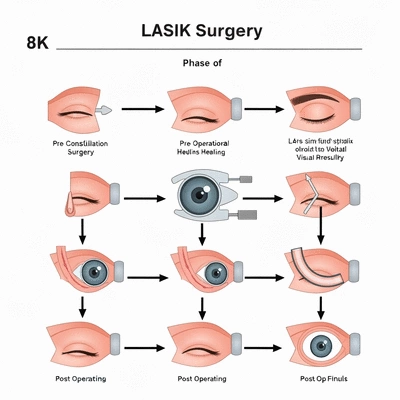
Your LASIK journey consists of several important phases, each playing a critical role in ensuring your success. Here’s a breakdown of the key phases:
Understanding these phases can help alleviate any anxiety you might feel. Each step is designed to support you, ensuring your LASIK experience is as smooth as possible. Ready to take the plunge? Let’s move on to the next crucial part of your journey!
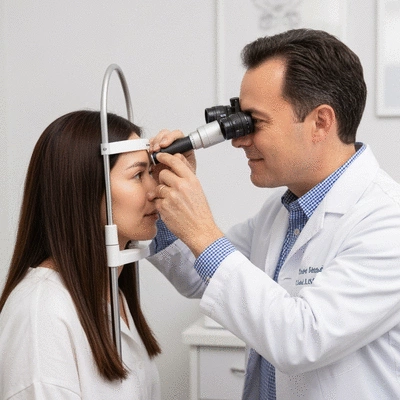
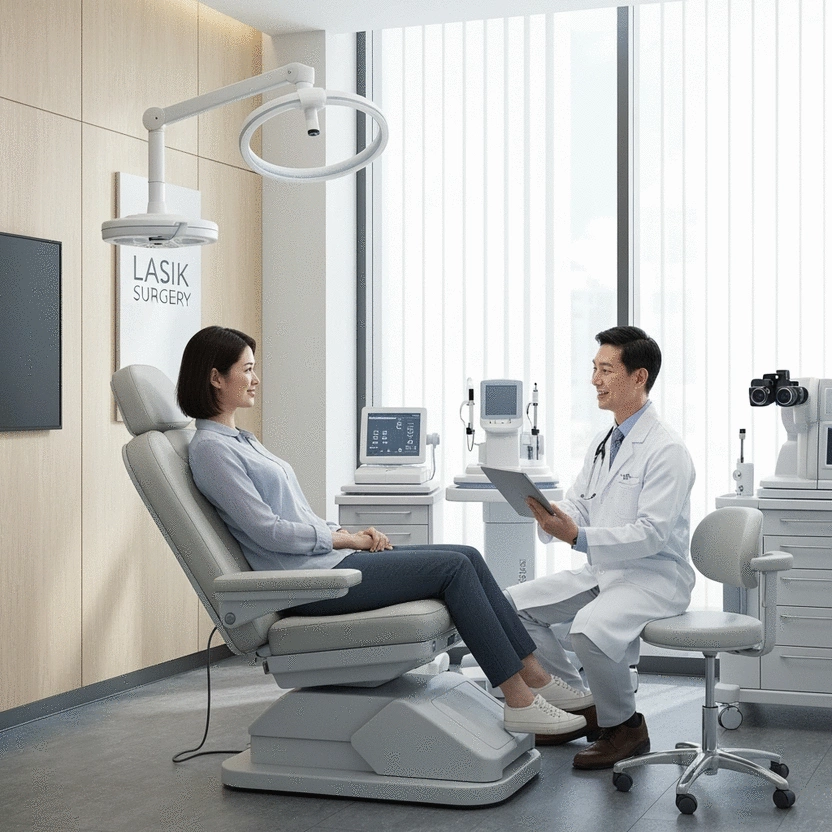
Your first visit is a pivotal moment—it's where the magic begins! This evaluation day is about more than just checking your eyesight; it’s a comprehensive assessment to ensure you’re a suitable candidate for LASIK.
During this assessment, we will conduct a series of tests and evaluations to gather the necessary information about your eye health and vision needs. It's a great opportunity for you to ask any questions you may have, and I encourage you to come prepared!
Determining your candidacy for LASIK involves several key factors. Below are some essential eye tests that will be performed:
These tests help us tailor the procedure to your unique needs, ensuring the best possible outcome. It’s essential that you’re fully informed about your options to make the right decision!
Among the tests performed, corneal mapping is crucial. This specialized test provides detailed information about the surface of your cornea. It helps us identify any irregularities that could affect the surgery. By understanding your specific vision needs, we can better plan your procedure.
During your evaluation, we’ll discuss various LASIK options. Each technique has its pros and cons:
Understanding the differences helps you choose the method that aligns with your lifestyle and vision goals. Remember, choosing the right technique can significantly influence your recovery and outcomes!
Additionally, measuring intraocular pressure is vital. This test checks for conditions like glaucoma. Together with corneal mapping, these assessments provide a comprehensive picture of your eye health. It’s all part of ensuring you receive the safest, most effective LASIK experience possible!
Did you know? Preparing a list of questions before your evaluation day can greatly enhance your experience. Consider asking about the LASIK technique that suits your vision needs best, the expected recovery timeline, and any concerns you might have regarding post-operative care. This proactive approach will not only clarify your doubts but also help you feel more confident as you embark on your LASIK journey!
Most patients experience significantly improved vision within 24 hours of LASIK surgery.
The key phases include Evaluation Day, Surgery Day, Recovery Period, and Post-Operative Care.
Essential tests include vision tests, corneal thickness measurement, and corneal mapping to assess your suitability and tailor the procedure.
Common techniques include traditional LASIK (known for quick recovery), Epi-LASIK (gentler, suitable for thinner corneas), and ReLEx SMILE (a minimally invasive procedure without flap creation).
Potential complications include dry eyes, visual disturbances like halos or glare, and in rare cases, regression. If you experience these symptoms or have concerns, contact your eye care professional.
Regular follow-up visits are crucial to monitor the healing process, track vision stabilization, address any potential side effects, and ensure optimal long-term eye health.
After undergoing LASIK surgery at Singapore Eye Centre, it’s important to focus on the long-term follow-up care to ensure the best results. Your vision may stabilize within the first few months, but keeping track of your eye health is crucial for maintaining optimal sight. In this section, I’ll walk you through what to expect after six months, potential complications to watch for, and the significance of regular follow-up visits.
Approximately six months following your LASIK procedure, you'll likely notice significant improvements in your vision stability. Many patients report feeling more comfortable and confident in their visual acuity. However, it's essential to remain vigilant and understand that some changes can still occur. You might experience:
Regular check-ups will help monitor these changes, ensuring that your vision remains at its best. By this time, most patients can resume normal activities without the need for corrective lenses.
While LASIK is a safe procedure with a high success rate, it’s essential to be aware of potential complications. Some patients may experience issues such as:
If you notice any of these symptoms or have concerns about your vision, don't hesitate to reach out to me at Singapore Eye Centre. We’re here to provide support and solutions tailored to your needs.
Regular follow-up visits are an essential part of your LASIK journey. These appointments allow us to track your healing process and address any concerns you might have. During these visits, we will:
At Singapore Eye Centre, we prioritize your vision health and want to ensure that you continue to experience the freedom that LASIK offers. So, let’s keep up with those appointments!
As you complete your LASIK journey, remember that your eye health is an ongoing commitment. I encourage you to take the next step by booking a consultation if you haven’t already. Be prepared to share your vision goals so we can tailor the best approach for you.
Here is a quick recap of the important points discussed in the article:
Ophthalmologist specializing in LASIK & SMILE. Trusted authority in refractive treatments in Singapore.
Singapore Eye Centre is dedicated to empowering patients with accurate knowledge about advanced vision correction, ensuring they make informed decisions for their eye health. Join us on our blog for insights on vision correction techniques, surgeon expertise, and patient care to enhance your visual freedom.
Ophthalmologist specializing in refractive eye surgery. Trusted authority in LASIK and SMILE procedures in Singapore.
Singapore Eye Centre is dedicated to educating patients about advanced vision correction techniques, empowering individuals to make informed decisions about their eye health. Join her on our platform for insightful articles, patient experiences, and the latest advancements in vision correction, enhancing your journey towards optimal vision.