Surgeon Expertise: The Human Touch
- ✓Influences recovery & satisfaction
- ✓Critical for optimal outcomes
- ✓Requires board certification & specialization
Welcome to Singapore Eye Centre!
Mar 21
Understanding the synergy between a skilled surgeon and cutting-edge technology can significantly enhance your LASIK experience. As you delve into this transformative journey, consider the following essential insights that underscore the importance of expertise and innovation in achieving optimal vision health.
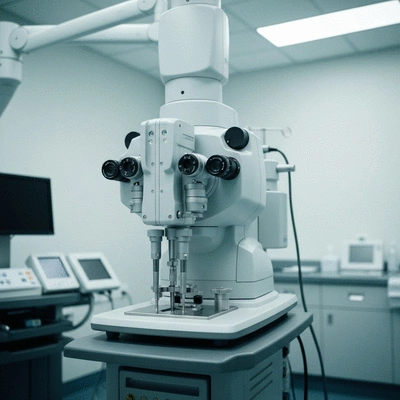
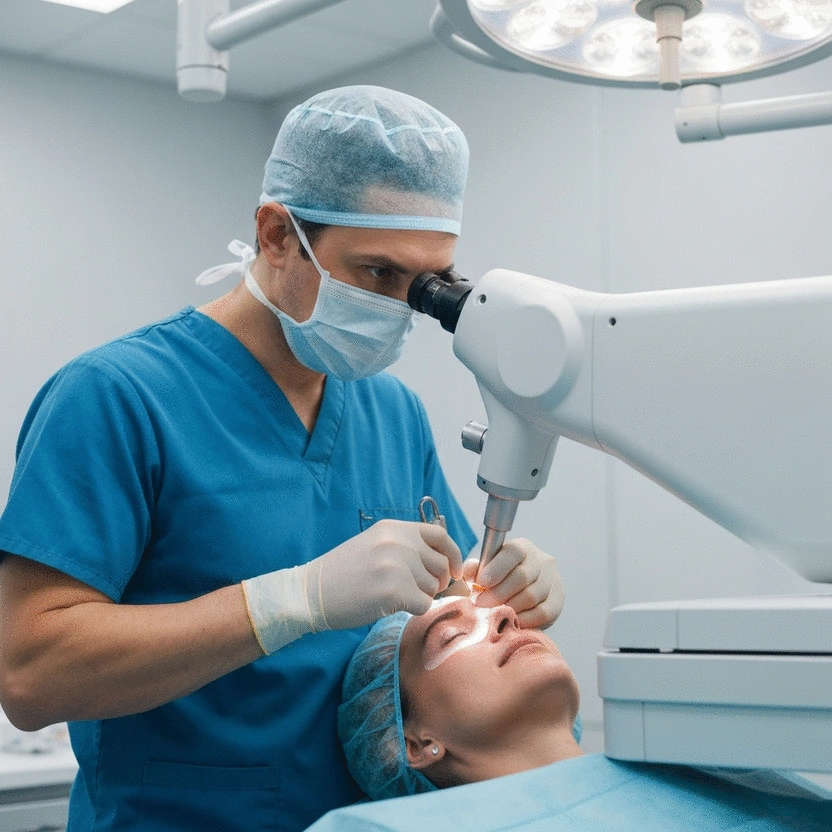
This visual highlights the critical components contributing to successful LASIK outcomes, emphasizing the inseparable roles of surgeon expertise and advanced technology, and their impact on patient experience.
Statistical data indicates lower complication rates and faster recovery times with advanced LASIK technology.
High patient satisfaction is seen from combining skilled surgeons with precise technology.
When it comes to LASIK eye surgery, understanding the interplay between surgeon expertise and advanced technology is crucial. As someone deeply invested in this field at Singapore Eye Centre, I can assure you that both elements play a pivotal role in achieving successful outcomes for patients. This section will guide you through the fundamental aspects of LASIK, how technology enhances the procedure, and the significance of choosing a skilled surgeon.
LASIK, or Laser-Assisted In Situ Keratomileusis, is a popular refractive surgery aimed at correcting vision issues like myopia, hyperopia, and astigmatism. By reshaping the cornea using laser technology, LASIK allows for clearer vision without the need for glasses or contact lenses. But what does this procedure entail?
The LASIK procedure typically involves a few essential steps:
Understanding how LASIK works can demystify the process and alleviate any anxiety surrounding the surgery. It's crucial to be informed, as this knowledge empowers you to make beneficial decisions for your vision health.
In LASIK, the precision of technology is paramount to ensuring optimal results. Advanced laser systems enable the surgeon to make accurate adjustments tailored to each patient's unique eye structure. This level of precision reduces the risk of complications and enhances the likelihood of achieving desired vision outcomes.
As technology continues to evolve, patients can expect even greater accuracy and safety in LASIK procedures. By choosing a clinic that utilizes the latest advancements, you are investing in your long-term vision health.
The introduction of femtosecond laser technology has transformed LASIK. This bladeless approach creates a more precise corneal flap, which improves healing and minimizes discomfort. As a result, patients often experience quicker recovery and enhanced visual clarity soon after the procedure.
At Singapore Eye Centre, we utilize this cutting-edge technology to ensure our patients receive the best possible care.
These techniques allow for a customized treatment plan tailored to an individual’s specific vision. Wavefront-guided LASIK analyzes how light waves travel through the eye, identifying irregularities that need correction. Meanwhile, topography-guided LASIK evaluates the cornea's surface for a more refined surgical approach. Together, these innovations create a highly tailored experience for each patient.
Artificial intelligence is paving the way for even more personalized LASIK experiences. AI-powered mapping systems analyze extensive data sets to guide surgeons in creating the most effective treatment plans. This innovation promises to enhance precision and further reduce the risk of complications, making it an exciting frontier for LASIK.
The excimer laser is the heart of LASIK surgery, delivering high-energy pulses that precisely reshape the cornea. This technology is essential for correcting refractive errors and has undergone continuous improvements over the years. By leveraging this advanced laser system, surgeons can tailor treatments to individual vision needs, resulting in better outcomes.
Optical Coherence Tomography (OCT) provides valuable insights during the preoperative assessment phase. This imaging technology offers detailed cross-sectional views of the eye, allowing surgeons to evaluate the cornea and the overall eye structure. Utilizing OCT enhances the evaluation process and supports the development of personalized surgical plans.
Surgeon expertise is a critical factor in the success of LASIK procedures. An experienced surgeon not only understands the intricacies of the surgery but also knows how to effectively utilize advanced technologies to optimize results. Their skill and knowledge can greatly influence recovery times and overall patient satisfaction.
At Singapore Eye Centre, we’ve seen numerous success stories from patients who chose experienced surgeons. These cases illustrate how expertise, combined with the right technology, can lead to exceptional vision outcomes. Real-life accounts highlight the positive impact of skilled surgeons on patient journeys.
When considering LASIK, evaluating a surgeon's credentials is vital. Look for qualifications such as board certification, specialized training in LASIK, and a history of successful surgeries. Trust your eyes to someone who is not only skilled but also committed to ongoing education and improvement in their practice.
Real-time eye-tracking technology has revolutionized LASIK, allowing surgeons to make precise adjustments during the procedure. This innovation significantly enhances safety, ensuring that the laser targets the correct area of the cornea even if the eye moves slightly. The result is a more reliable and effective surgery.
Statistical data shows that advancements in LASIK technology have led to lower complication rates and faster recovery times. With improved techniques and meticulous surgical practices, patients can expect a smoother experience. Understanding these statistics can help ease any lingering concerns about the procedure.
Even with the best technology and expertise, complications can occur. It’s essential to have a comprehensive plan in place for managing potential issues. This includes regular follow-ups, monitoring recovery, and having open communication with your surgeon regarding any concerns. By proactively addressing complications, we aim to ensure successful outcomes for all our patients.
Many envision achieving 20/20 vision after LASIK, and it's important to understand what this entails. While not every patient reaches this standard, numerous factors influence the effectiveness of the procedure, including individual eye conditions and adherence to pre-and post-operative care.
Hearing firsthand accounts from patients can shed light on the real impact of surgeon expertise and technology in LASIK procedures. Testimonials highlighting positive experiences can provide reassurance, showcasing the effectiveness of skilled practitioners and advanced technologies working together.
Patient education plays a vital role in LASIK satisfaction. When patients are well-informed about the process, risks, and expected outcomes, they are more likely to feel comfortable and confident in their decisions. At Singapore Eye Centre, we prioritize education, ensuring our patients are equipped with the knowledge they need to navigate their LASIK journey effectively.
Here are some frequently asked questions to provide further clarity on LASIK surgery, the role of technology, and surgeon expertise:
When selecting a LASIK technology, consider the following factors:
These considerations will ensure you choose a technology that aligns with your vision goals and enhances your overall experience.
It’s crucial to assess a surgeon's credentials before proceeding with LASIK. Look for:
These elements are indicators of a qualified surgeon who can meet your needs and expectations.
Before deciding on LASIK, it’s essential to evaluate your candidacy. Key factors include:
Being aware of these factors can help you determine if LASIK is the right choice for you. Remember, at Singapore Eye Centre, we are dedicated to guiding you through this important decision. For many, LASIK offers better-than-glasses vision, providing a significant improvement in quality of life.
As you consider LASIK eye surgery, we want to know your thoughts! What factor weighs most heavily in your decision-making process?
When it comes to achieving optimal vision health through LASIK, the combination of advanced technology and surgeon expertise plays a pivotal role. As the Singapore Eye Centre, I’ve witnessed firsthand how these elements come together to produce successful outcomes for patients. Let’s explore some key takeaways that can help you understand the significance of these factors in LASIK treatments.
Understanding the impact of technology and surgeon skills on LASIK can make all the difference in your experience. Here are some crucial points to keep in mind:
By focusing on these aspects, you're better equipped to make informed decisions about your LASIK journey. Always remember, investing time in understanding your options is vital for achieving the best results.
The integration of cutting-edge technology and skilled surgeons significantly improves both visual outcomes and safety during LASIK. Patients consistently report better vision and fewer complications when treated by experienced specialists using advanced equipment. This dual focus is essential for ensuring the highest standards of care.
Additionally, technology like Optical Coherence Tomography (OCT) allows for detailed preoperative assessments, ensuring that every patient is a suitable candidate for LASIK. This precision can lead to a smoother recovery and enhanced satisfaction post-surgery.
As you think about LASIK, it’s important to consider the long-term implications of your choices. The right combination of technology and surgeon expertise not only impacts your immediate results but also your vision health in the future. Regular follow-ups and eye exams post-surgery are crucial to maintaining optimal vision.
Investing in LASIK is about more than just the procedure; it’s about ensuring your eyes are cared for long after you leave the clinic. This proactive approach can help address any concerns that may arise and contribute to sustained vision quality.
Cost is often a major consideration for patients contemplating LASIK. While advanced technology and experienced surgeons may result in higher fees, they typically lead to better outcomes and fewer complications. It’s essential to view LASIK as an investment in your long-term vision health. Consider the following when assessing costs:
At Singapore Eye Centre, we emphasize transparency regarding costs and strive to ensure that our patients feel informed and confident in their decisions.
Taking the plunge into LASIK can feel overwhelming, but it's empowering to educate yourself on the next steps. Here’s how you can navigate this journey effectively:
When searching for the right LASIK provider, consider the following:
These factors can guide you in choosing a provider that aligns with your needs and expectations.
Your consultation is a crucial opportunity to gather information. Be sure to ask:
Asking these questions can clarify any uncertainties and help you feel more prepared for your LASIK journey.
Finally, follow-up care is key to achieving optimal results post-LASIK. Adhering to your surgeon’s recommendations for aftercare will help you recover smoothly and maintain your new vision. Regular check-ups will also allow your surgeon to monitor your progress and address any concerns promptly.
Investing in your eye health is always worthwhile, and at Singapore Eye Centre, we are committed to supporting you every step of the way. What steps will you take toward your vision transformation? Remember, knowledge is power, and your journey toward clearer sight starts here!
Here is a quick recap of the important points discussed in the article:
Ophthalmologist specializing in LASIK & SMILE. Trusted authority in refractive treatments in Singapore.
Singapore Eye Centre is dedicated to empowering patients with accurate knowledge about advanced vision correction, ensuring they make informed decisions for their eye health. Join us on our blog for insights on vision correction techniques, surgeon expertise, and patient care to enhance your visual freedom.
Ophthalmologist specializing in refractive eye surgery. Trusted authority in LASIK and SMILE procedures in Singapore.
Singapore Eye Centre is dedicated to educating patients about advanced vision correction techniques, empowering individuals to make informed decisions about their eye health. Join her on our platform for insightful articles, patient experiences, and the latest advancements in vision correction, enhancing your journey towards optimal vision.