Sep 27
Choosing a LASIK Surgeon in Singapore
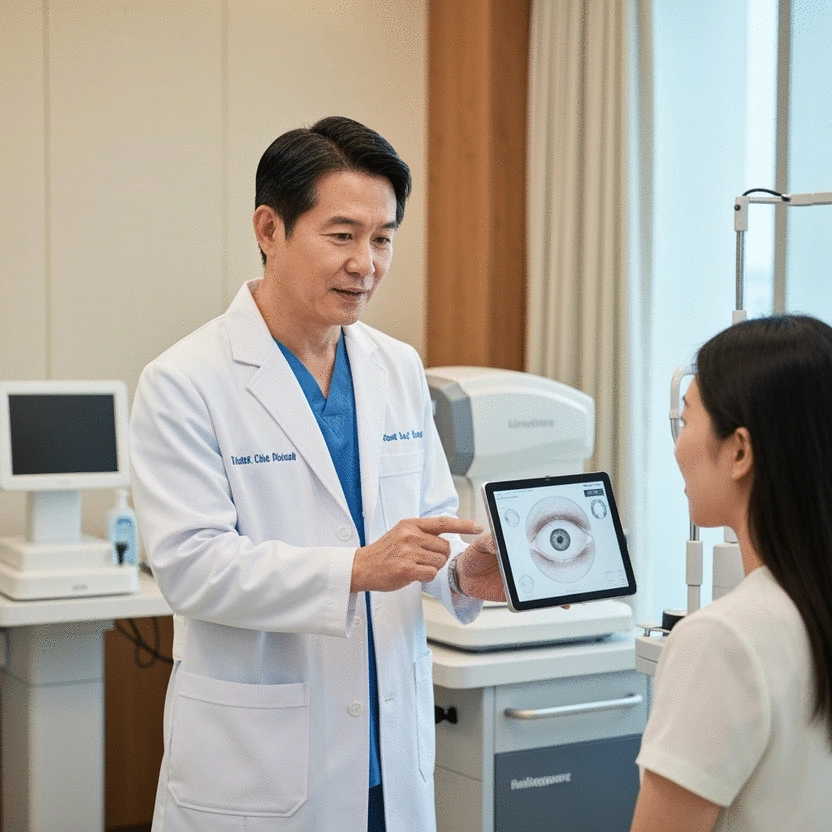
When considering LASIK surgery, understanding the procedure and its advantages is essential for informed decision-making. Here’s what you will learn about LASIK and the factors to consider before undergoing the surgery.
What You Will Learn
- LASIK is a laser eye surgery that corrects vision problems such as myopia, hyperopia, and astigmatism.
- The procedure involves creating a flap in the cornea, reshaping it with a laser, and allowing for quick recovery and immediate results.
- Key benefits of LASIK include a rapid recovery time, reduced dependence on glasses or contact lenses, and long-lasting results.
- Evaluating a LASIK surgeon's credentials is crucial; look for medical degrees, residency, board certification, and specific experience with LASIK.
LASIK Procedure Flow & Key Qualifications
This visual outlines the step-by-step process of LASIK surgery and the essential qualifications to look for in a surgeon, critical for informed decision-making.
LASIK Procedure Steps
- Anesthetic Drops: Comfort ensured.
- Corneal Flap: Created with laser.
- Cornea Reshaped: Underlying tissue corrected.
- Flap Replaced: Natural healing begins.
Surgeon Qualifications
- Medical Degree: From accredited institution.
- Ophthalmology Residency: Hands-on training.
- Board Certification: High professional standards.
- LASIK Experience: Extensive procedure history.
Understanding LASIK Surgery and Its Importance
Are you curious about LASIK surgery and what it entails? LASIK (Laser-Assisted In Situ Keratomileusis) is a popular refractive eye surgery aimed at correcting vision problems such as myopia, hyperopia, and astigmatism. By utilizing advanced laser technology, LASIK reshapes the cornea, allowing light to focus more accurately on the retina. This procedure has transformed countless lives, enabling individuals to enjoy better vision without the reliance on glasses or contact lenses.
The importance of LASIK cannot be overstated. With a high success rate and rapid recovery time, many patients report significant improvements in their daily life. Imagine waking up and being able to see the alarm clock clearly without fumbling for your glasses! That’s the kind of freedom LASIK can provide.
What is LASIK and How Does It Work?
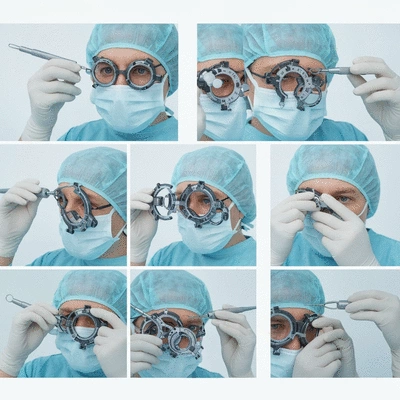
So, how does LASIK work exactly? During the procedure, the surgeon creates a thin flap in the cornea using a precise laser. This flap is gently lifted to allow another laser to reshape the underlying corneal tissue. Finally, the flap is repositioned, and it naturally adheres without the need for stitches. The entire process typically takes less than 30 minutes, and most patients experience improved vision almost immediately!
- Step 1: Anesthetic drops are applied to ensure your comfort.
- Step 2: A flap is created in the cornea using a laser.
- Step 3: The underlying cornea is reshaped with a second laser.
- Step 4: The flap is replaced, allowing for natural healing.
As a dedicated ophthalmologist, I have witnessed firsthand the incredible outcomes of LASIK. Many of my patients leave with newfound confidence and enthusiasm for life!
Common Vision Conditions Treated with LASIK
LASIK is primarily designed to correct several common vision issues, making it a versatile option for many individuals. Here are the key conditions that LASIK effectively addresses:
- Myopia: Also known as nearsightedness, this condition causes distant objects to appear blurry.
- Hyperopia: This refers to farsightedness, where close objects may be difficult to see clearly.
- Astigmatism: An irregular shape of the cornea or lens leads to distorted or blurred vision.
By correcting these vision problems, LASIK allows patients to enjoy clearer sight at various distances, enhancing their quality of life. For more details on who might be a good candidate for LASIK, you can refer to resources like HealthXchange.sg.
Key Advantages of LASIK for Vision Correction
Choosing LASIK comes with numerous advantages that set it apart from traditional corrective lenses. Here are some of the key benefits:
- Immediate Results: Most patients notice improved vision within just a few hours!
- Quick Recovery: Many people return to their normal activities within a day.
- No More Dependence on Glasses: Say goodbye to the hassle of contacts or glasses!
- Long-Lasting Results: The effects of LASIK can last for many years, often a lifetime.
As someone who is passionate about patient education, I often share these benefits with my patients at LASIK & Refractive Surgery Education Singapore. Knowing what LASIK can achieve helps individuals make informed decisions about their vision health! The Singapore National Eye Centre (SNEC) provides further FAQs on refractive surgery, which can be a valuable resource for those considering the procedure.
We Want to Hear From You!
What concerns do you have about LASIK surgery? Whether it's the procedure itself, recovery time, or long-term results, we invite you to share your thoughts below:
Frequently Asked Questions About LASIK
What is LASIK surgery?
How long does the LASIK procedure take?
What vision conditions can LASIK treat?
What are the main benefits of LASIK?
What qualifications should I look for in a LASIK surgeon?
Evaluating Surgeon Credentials: Key Factors to Consider
When considering LASIK surgery, one of the most crucial steps is evaluating the credentials of your surgeon. The right surgeon can make a significant difference in both the experience and the outcome of your procedure. As someone who is deeply committed to patient safety and education, I believe that understanding what to look for is essential to making an informed decision about your eye health.
In Singapore, the standards for ophthalmologists are high, but certain qualifications set the best apart. Below, I’ll guide you through the essential qualifications and attributes you should consider when evaluating a LASIK surgeon.
Essential Qualifications of a LASIK Surgeon in Singapore
Choosing a qualified LASIK surgeon involves looking at several key factors. Here are the most important qualifications that can help you gauge a surgeon's expertise:
- Medical Degree: Ensure that the surgeon has a valid medical degree from an accredited institution.
- Ophthalmology Residency: A completed residency in ophthalmology is vital for hands-on training in eye surgery.
- Board Certification: Look for board certification in ophthalmology, which indicates adherence to high professional standards.
- Experience with LASIK: A surgeon should have extensive experience specifically with LASIK procedures.
These essential qualifications not only reflect a surgeon's education but also their commitment to maintaining high standards in patient care. The National University Hospital (NUH) in Singapore offers valuable insights into refractive surgery, including LASIK, and highlights the importance of choosing an experienced surgeon. Always feel free to ask for their credentials during your initial consultation!

Importance of Fellowships and Specialized Training
In addition to the foundational qualifications, fellowships and specialized training can significantly enhance a surgeon's skill set. A fellowship provides additional training in specific areas of ophthalmology, allowing surgeons to refine their techniques and stay updated on the latest advancements.
Notable Institutions and Certifications
Fellowships from recognized institutions can also be a strong indicator of a surgeon’s expertise. Some notable programs include:
- The American Academy of Ophthalmology
- The European Society of Cataract and Refractive Surgeons
- Fellowships in corneal surgery
When a surgeon holds such credentials, it often translates into enhanced safety and better results for patients, which is a key factor in my practice philosophy at LASIK & Refractive Surgery Education Singapore.
Understanding Board Certification and Its Importance
Board certification is an essential aspect of evaluating a LASIK surgeon. It signifies that the surgeon has met rigorous training and knowledge standards specific to ophthalmology. This certification is not just a badge; it reflects a commitment to ongoing education and professional development.
Why is this important? Because it assures you that your surgeon is not only qualified but also stays current with evolving techniques and technologies in the field. When you are entrusting someone with your vision, you want to ensure they are at the top of their game.
As you embark on your journey towards LASIK, remember that assessing a surgeon's credentials is a vital step. It empowers you to make an informed choice that prioritizes your safety and desired outcomes. What questions will you ask in your consultations to ensure you’re choosing the right expert for your vision needs?
Recap of Key Points
Here is a quick recap of the important points discussed in the article:
- LASIK Overview: LASIK surgery corrects vision issues like myopia, hyperopia, and astigmatism using advanced laser technology.
- Procedure Steps: The LASIK process involves creating a corneal flap, reshaping the cornea with a laser, and then replacing the flap for natural healing.
- Vision Conditions Treated: LASIK effectively addresses myopia, hyperopia, and astigmatism, enhancing patients' quality of life.
- Advantages of LASIK: Benefits include immediate results, quick recovery, reduced dependence on glasses, and long-lasting effects.
- Surgeon Credentials: It's vital to evaluate a LASIK surgeon's qualifications, including their medical degree, residency, board certification, and LASIK experience.
Singapore Eye Centre
Ophthalmologist specializing in LASIK & SMILE. Trusted authority in refractive treatments in Singapore.
Singapore Eye Centre is dedicated to empowering patients with accurate knowledge about advanced vision correction, ensuring they make informed decisions for their eye health. Join us on our blog for insights on vision correction techniques, surgeon expertise, and patient care to enhance your visual freedom.