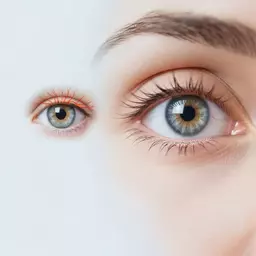
Blurred Vision
A common indicator that requires prompt attention to prevent further vision degradation.
Welcome to Singapore Eye Centre!
Oct 29
In a world where our eyes often bear the brunt of our busy lives and digital distractions, understanding the importance of eye health becomes essential. With rising eye conditions surfacing in Singapore, educating ourselves about prevention and early detection is vital for maintaining our vision.
Understanding potential risks and taking proactive steps can significantly impact your long-term eye health. Below are the key warning signs of eye conditions that warrant attention and a proactive approach.
A common indicator that requires prompt attention to prevent further vision degradation.
Sudden increase or new appearance can signal retinal issues.
Ongoing discomfort suggests underlying conditions that need professional assessment.
Inflammation can be a sign of infection or other serious eye diseases.
Straight lines appearing wavy may indicate macular degeneration.
Photophobia can be a symptom of various eye conditions, from mild to severe.
Difficulty distinguishing colors may point to optic nerve or retinal damage.
As a part of our mission at Singapore Eye Centre, we believe that understanding the significance of eye health is crucial for everyone. In a fast-paced world, it's easy to overlook the vital role our eyes play in our daily lives. However, eye conditions can affect anyone, and being informed is the first step toward maintaining good vision and overall health.
In Singapore, where lifestyles are often busy and technology is prevalent, the prevalence of eye conditions is rising. That’s why I’m passionate about ensuring patients know why eye health matters. By understanding the risks and taking steps for prevention, we can all improve our vision health. For more information on eye health data and statistics, you can refer to resources from the National Eye Institute and the CDC, which highlight the importance of proactive eye care.
Eye conditions can lead to significant changes in one’s quality of life. From blurred vision to more severe issues like glaucoma, addressing these conditions early can make a world of difference. Moreover, we should recognize how common these conditions are—they can affect anyone, regardless of age or background. Awareness is key!
As we dive deeper into the various warning signs of eye conditions, remember that knowledge empowers you. I encourage everyone to consider how eye health impacts their daily lives, from work productivity to personal relationships.
Early detection of eye conditions can significantly affect treatment success and overall outcomes. Regular eye check-ups are key to identifying problems before they escalate. At Singapore Eye Centre, we emphasize the importance of patient education and proactive health measures.
By prioritizing early detection, patients can not only preserve their vision but also enhance their quality of life. It’s essential to recognize that our eyes are windows to our overall health. So, let’s commit to taking care of them together!
Being aware of the warning signs of eye conditions can save your vision! In this section, we’ll explore the top seven signs that it's time to pay attention to your eye health. Each of these indicators can be significant and should not be ignored.
These warning signs can help guide your next steps, making it easier to connect with the right resources. Staying informed and vigilant is the best way to protect your vision. Up next, we’ll dive into each symptom in detail, so you can better understand what they mean for your eye health.
Have you ever experienced any of the warning signs of eye conditions? If so, how did it impact your daily life? Share your thoughts below:
Here are some common questions about eye health and the warning signs discussed in this article:
While the article doesn't list specific prevalence rates for Singapore, common eye conditions globally include refractive errors (nearsightedness, farsightedness), cataracts, glaucoma, and age-related macular degeneration. Regular check-ups are crucial for early detection in any population.
It is generally recommended to schedule comprehensive eye examinations at least once a year, especially as you age or if you have existing eye conditions or risk factors.
Blurred vision can be a symptom of many eye conditions, from minor issues to serious diseases. If you experience sudden, persistent, or worsening blurred vision, it's important to consult an eye care professional promptly.
While occasional floaters are common and usually harmless, a sudden increase in their number or the appearance of new flashes of light can signal a retinal issue, such as a retinal tear or detachment, and requires immediate medical attention.
The 20-20-20 rule suggests that for every 20 minutes spent looking at a screen, you should take a 20-second break and look at something 20 feet away. This helps reduce eye strain and fatigue.
Singapore offers various eye care resources, including public hospitals with ophthalmology departments, private specialized clinics like Singapore Eye Centre, community health programs, and mobile eye clinics. It's advisable to seek advice from a qualified eye care professional for personalized recommendations.
The FDA has warned consumers not to purchase or use certain eye drops from several major brands due to a risk of eye infections and vision loss. Always consult with your eye care professional before using new eye drops and check for official health advisories.
Recognizing symptoms of eye conditions is just the first step toward better vision health! At Singapore Eye Centre, we believe that taking prompt action is crucial. It's essential to develop a proactive eye care routine that not only addresses the symptoms but also helps maintain your overall eye health. Let's explore some practical tips to keep your eyes in great shape every day.
Creating a solid routine can make all the difference in your eye health. Here are some key practices to incorporate:
By following these tips, you can significantly reduce the risk of developing eye conditions and maintain optimal vision health! If you're not sure where to start, don’t hesitate to reach out to me at Singapore Eye Centre for personalized advice.
Living in Singapore gives you access to many excellent resources for eye care. Here are some local options for eye exams and screening services that you can trust:
Utilizing these resources will help ensure that you stay on top of your eye health. Regular check-ups and screenings can catch any potential issues early, making a significant difference in treatment outcomes.
Here is a quick recap of the important points discussed in the article:
Ophthalmologist specializing in LASIK & SMILE. Trusted authority in refractive treatments in Singapore.
Singapore Eye Centre is dedicated to empowering patients with accurate knowledge about advanced vision correction, ensuring they make informed decisions for their eye health. Join us on our blog for insights on vision correction techniques, surgeon expertise, and patient care to enhance your visual freedom.
Ophthalmologist specializing in refractive eye surgery. Trusted authority in LASIK and SMILE procedures in Singapore.
Singapore Eye Centre is dedicated to educating patients about advanced vision correction techniques, empowering individuals to make informed decisions about their eye health. Join her on our platform for insightful articles, patient experiences, and the latest advancements in vision correction, enhancing your journey towards optimal vision.