Feb 11
LASIK, SMILE, or Implantable Lenses?
The journey to clearer vision can be filled with questions and uncertainties. Understanding the various advanced refractive treatments available is essential for making informed choices about your eye health.
What You Will Learn
- LASIK reshapes the cornea using a laser, providing rapid recovery and significant vision improvement.
- SMILE is a flapless procedure that reduces discomfort and recovery time, making it an appealing option for many patients.
- Implantable Contact Lenses (ICL) offer a reversible solution for those not eligible for LASIK or SMILE, preserving corneal integrity.
- Understanding laser technologies and customizable treatments enhances your ability to choose the best option for your unique vision needs.
Comparative Analysis of LASIK, SMILE, and ICL Procedures
This visual outlines the key differences, risks, and benefits of LASIK, SMILE, and ICL to help in making an informed decision about vision correction.
Procedure Techniques
- •LASIK: Creates a flap, reshapes cornea with laser.
- •SMILE: Flapless, small incision for corneal correction.
- •ICL: Implants a lens inside the eye, no corneal tissue removal.
Key Technologies
- •LASIK: Excimer laser for reshaping, Femtosecond for flap.
- •SMILE: Femtosecond laser for lenticule creation.
- •ICL: Biocompatible lens, works with existing eye structure.
Risks & Benefits (LASIK)
- •Pros: Fast recovery, high satisfaction.
- •Cons: Flap complications, dry eyes, glare/halos.
Risks & Benefits (SMILE)
- •Pros: Flapless, less pain, faster recovery.
- •Cons: Not for all prescriptions, temporary discomfort.
Risks & Benefits (ICL)
- •Pros: Reversible, suitable for high prescriptions.
- •Cons: Requires second procedure for change, risk of cataracts.
Understanding Advanced Refractive Treatments in Singapore
At Singapore Eye Centre, we recognize that considering advanced refractive treatments can be both exciting and overwhelming. With various options like LASIK, SMILE, and Implantable Contact Lenses (ICL), understanding these procedures is essential for making informed decisions about your vision health. Let's dive into what each of these treatments entails and how they can enhance your quality of life!
Defining Key Procedures: LASIK, SMILE, and Implantable Lenses
Each refractive treatment varies in technique and application, tailoring to individual needs. Here’s a brief overview of these leading options:
- LASIK: A widely known procedure that reshapes the cornea using a laser to correct vision.
- SMILE: A flapless technique that utilizes a small incision for corneal correction.
- ICL: An alternative that involves placing a lens inside the eye, ideal for those who may not be suitable for LASIK or SMILE.
Understanding these key procedures is the first step toward choosing the right treatment for you!
What is LASIK and How Does it Work?
LASIK, or Laser-Assisted In Situ Keratomileusis, is a popular vision correction procedure that uses a laser to reshape the cornea. By doing so, it helps to focus light correctly onto the retina. The procedure is quick, often taking less than 30 minutes, and many patients notice dramatic improvements in their vision almost immediately!
This technique is perfect for those with myopia, hyperopia, or astigmatism. At Singapore Eye Centre, we prioritize patient comfort and safety, ensuring a personalized approach for each individual. For a deeper understanding of LASIK's efficacy and safety, you can refer to comprehensive research on LASIK laser eye surgery research.
Exploring ReLEx SMILE: The Flapless Revolution
ReLEx SMILE stands for Small Incision Lenticule Extraction. This innovative procedure offers a flapless alternative to traditional LASIK, making it a favorite for many patients. The technique involves removing a small piece of corneal tissue through a tiny incision, leading to less disruption of the cornea and potentially faster recovery times!
Many patients report feeling less discomfort with SMILE compared to LASIK. It’s an excellent choice for those looking for a minimally invasive option. Emerging research, such as studies on flapless laser vision correction, continues to highlight the benefits and advancements of SMILE.
Introduction to Implantable Contact Lenses (ICL)
Implantable Contact Lenses (ICL) provide a unique solution for vision correction, especially for those who may not qualify for LASIK or SMILE due to thin corneas or high prescriptions. This procedure involves placing a lens inside the eye, providing clear vision while allowing for reversibility, meaning the lens can be removed if necessary.
ICLs are an ideal option for patients seeking a long-term solution without undergoing corneal reshaping. Detailed information on the safety and effectiveness of ICLs can be found in various medical publications, including a study on phakic intraocular lenses.
Overview of Refractive Surgery Techniques
Refractive surgery techniques continue to evolve, offering more precise options for correcting vision. Understanding the technologies behind these procedures can help you feel confident in your decision. Here’s what you need to know:
- Laser Technology: LASIK uses Excimer lasers, while SMILE employs Femtosecond lasers, each offering unique benefits.
- Customizable Treatments: Advanced diagnostics allow for personalized approaches tailored to individual eye conditions.
At Singapore Eye Centre, our goal is to guide you through these technologies, ensuring you find the best fit for your vision needs!
Understanding Laser Technology: Excimer and Femtosecond Lasers
Excimer lasers are pivotal in LASIK surgery, allowing for precise corneal reshaping. They work by removing layers of corneal tissue without any heat, minimizing damage to surrounding areas. On the other hand, Femtosecond lasers used in SMILE create tiny bubbles within the cornea, enabling the surgeon to create the lenticule with a minimal incision.
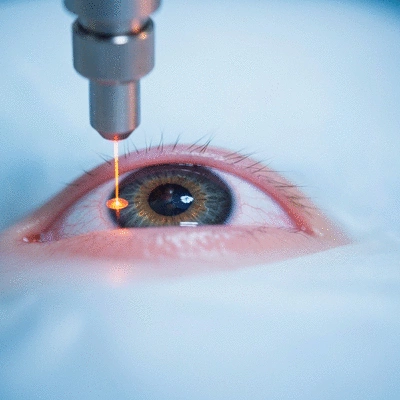
This advancement in technology ensures that patients experience reduced recovery times and enhanced outcomes.
Customizable Treatments for Individual Eye Conditions
The beauty of modern refractive surgery lies in its customization. At Singapore Eye Centre, we utilize advanced diagnostic tools to assess your eyes thoroughly. This assessment allows us to tailor treatments specifically for your unique vision needs, whether you suffer from myopia, hyperopia, or astigmatism.
By personalizing each treatment plan, we aim to achieve optimal results and enhance your overall vision experience!
We Want to Hear From You!
What aspect of advanced refractive treatments excites you the most? Is it the prospect of seeing clearly without glasses, the innovative technologies involved, or the personalized care offered? Share your thoughts below:
Comparative Analysis of LASIK, SMILE, and ICL
When it comes to vision correction, choosing the right procedure is crucial. Each technique—LASIK, SMILE, and ICL—has unique features that can impact your experience and outcome. By understanding these differences, you can make a more informed decision about which option suits you best!
Key Differences in Procedure Techniques
Let’s break down the technical aspects of LASIK, SMILE, and ICL. Each method has its own approach to reshaping the cornea or correcting vision. It’s essential to know what happens during each procedure.
- LASIK: Utilizes a laser to create a flap in the cornea, allowing for reshaping underneath.
- SMILE: A flapless technique that uses a laser to create a small opening in the cornea for vision correction.
- ICL: Involves implanting a lens inside the eye, which doesn’t require the removal of corneal tissue.
These procedural differences can affect recovery time, potential side effects, and overall results. Are you leaning towards one option over another? Let’s explore more!
Lasers and Incisions: A Technical Breakdown
The technology behind each procedure is fascinating! LASIK and SMILE primarily rely on laser technology, but their application differs significantly. LASIK's use of an incisional flap contrasts with SMILE's minimally invasive approach, which avoids this step entirely.
- Excimer Laser: Used in LASIK for precise corneal reshaping.
- Femtosecond Laser: Employed in both LASIK and SMILE for flap creation in LASIK and corneal tissue removal in SMILE.
- ICL Technology: Comprises a biocompatible lens that works with your existing eye structure.
Understanding these technologies helps demystify the procedures! Each has its strengths and can cater to different visual needs.
Flap Creation: LASIK vs SMILE Insights
One of the major differences between LASIK and SMILE is flap creation. LASIK involves creating a flap, which can sometimes lead to complications if not done correctly. SMILE, on the other hand, eliminates this step, making it less invasive.
- LASIK: Flap can contribute to faster healing but might pose risks of flap-related complications.
- SMILE: Avoids flap creation, potentially leading to reduced pain and quicker recovery.
This distinction can be a game-changer for many patients. It’s essential to discuss these aspects with your surgeon during your consultation!
Corneal Tissue Removal vs Reversibility in ICL
Unlike LASIK and SMILE, ICL does not involve removing corneal tissue. This can be a significant advantage for those concerned about potential permanent changes to their eye structure.
- Corneal Removal: Permanent change in LASIK and SMILE.
- ICL: Can be removed or replaced as needed, making it a reversible option.

This feature can provide peace of mind for those uncertain about making a permanent commitment to vision correction!
Evaluating Risks and Benefits of Each Procedure
When considering your options, weighing the risks and benefits is vital. Each procedure has its own unique profile that can influence your choice.
- LASIK:
- Pros: Fast recovery, high satisfaction rate.
- Cons: Risk of flap complications, potential dry eyes.
- SMILE:
- Pros: Flapless, less postoperative pain.
- Cons: Not suitable for all prescriptions.
- ICL:
- Pros: Reversible, suitable for high prescriptions.
- Cons: Requires a second procedure if lens needs to be changed.
Each option has its advantages and challenges. Understanding these factors can help you make a decision that aligns with your vision goals!
Understanding Side Effects and Risk Factors for Each Procedure
It’s also essential to consider potential side effects. Although risks are generally low, being aware can prepare you for any possibility.
- LASIK: Dry eyes, glare, halos.
- SMILE: Temporary discomfort, slight risk of under or over-correction.
- ICL: Risk of cataracts, potential for lens-related complications.
Discussing these factors with your surgeon will help you understand how to mitigate risks effectively!
Frequently Asked Questions (FAQs)
- 1. What is the main difference between LASIK, SMILE, and ICL?
- LASIK reshapes the cornea by creating a flap. SMILE is a flapless procedure that uses a small incision to remove corneal tissue. ICL involves implanting a lens inside the eye without removing any corneal tissue, offering a reversible solution.
- 2. Which procedure offers the fastest recovery time?
- LASIK typically offers a very rapid recovery, with many patients experiencing significant vision improvement almost immediately. SMILE also boasts faster recovery times due to its minimally invasive, flapless nature.
- 3. Who is an ideal candidate for SMILE?
- SMILE is an excellent choice for patients looking for a minimally invasive, flapless option, particularly those with myopia and astigmatism. It's often preferred for those concerned about dry eyes or flap-related complications associated with LASIK.
- 4. Can ICL be removed if my vision changes?
- Yes, one of the key benefits of ICL is its reversibility. The implanted lens can be removed or replaced if there are significant changes in your vision or if other eye conditions arise.
- 5. What are the potential risks or side effects of these procedures?
- For LASIK, risks include flap complications, dry eyes, glare, and halos. SMILE may cause temporary discomfort and a slight risk of under or over-correction. ICL carries a risk of cataracts and potential lens-related complications. It's crucial to discuss these with your surgeon.
Recap of Key Points
Here is a quick recap of the important points discussed in the article:
- LASIK: A laser-based procedure that reshapes the cornea to correct vision, suitable for myopia, hyperopia, and astigmatism.
- SMILE: A flapless procedure with a small incision for corneal correction, often resulting in less discomfort and faster recovery.
- ICL: An alternative for individuals not eligible for LASIK or SMILE, involving the implantation of a lens inside the eye.
- Laser Technology: Understanding the differences between Excimer and Femtosecond lasers is essential for informed decisions.
- Customization: Advanced diagnostics allow for personalized treatment plans tailored to individual eye conditions.
- Risks and Benefits: Each procedure has unique advantages and potential side effects, making it crucial to evaluate based on personal vision goals.
Singapore Eye Centre
Ophthalmologist specializing in LASIK & SMILE. Trusted authority in refractive treatments in Singapore.
Singapore Eye Centre is dedicated to empowering patients with accurate knowledge about advanced vision correction, ensuring they make informed decisions for their eye health. Join us on our blog for insights on vision correction techniques, surgeon expertise, and patient care to enhance your visual freedom.