Procedure Overview
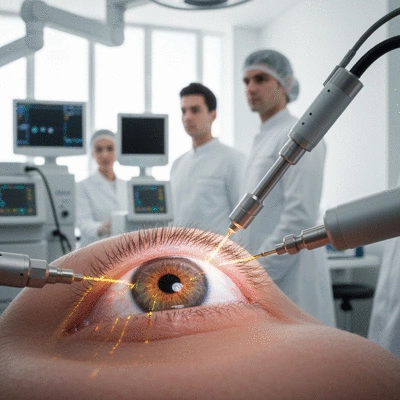
LASIK: Reshapes cornea using a flap technique. Uses excimer laser to remove corneal tissue.
SMILE: Creates a lenticule inside the cornea, removed via small incision. Less invasive.
Welcome to Singapore Eye Centre!
Sep 27
Considering LASIK or SMILE for your vision correction? Understanding the nuances can make a world of difference. With countless individuals successfully enhancing their vision through these procedures, it’s crucial to know the key differences and factors to weigh in your decision-making.
Comparing the primary characteristics of two popular vision correction procedures to help you make an informed decision.
LASIK: Reshapes cornea using a flap technique. Uses excimer laser to remove corneal tissue.
SMILE: Creates a lenticule inside the cornea, removed via small incision. Less invasive.
LASIK: Creates a corneal flap (20mm incision).
SMILE: No flap; small 2-4mm incision.
LASIK: Visual recovery often faster, but flap healing takes longer.
SMILE: Quicker epithelial healing due to smaller incision, less discomfort.
LASIK: Wider range for myopia, hyperopia, and astigmatism.
SMILE: Primarily for myopia and astigmatism.
LASIK: May result in more post-op dry eye symptoms.
SMILE: Potentially fewer dry eye symptoms due to less nerve disruption.
If you're exploring options for vision correction, you're likely to come across LASIK and SMILE. Both procedures are popular choices here in Singapore, helping countless individuals achieve clearer vision. But what exactly are they, and how do they differ? Let’s dive into the details together!
LASIK, or Laser-Assisted In Situ Keratomileusis, is a widely known refractive surgery that reshapes the cornea to correct vision issues such as myopia (nearsightedness), hyperopia (farsightedness), and astigmatism. This procedure involves creating a thin, hinged flap on the cornea, which is then lifted to allow an excimer laser to precisely reshape the underlying corneal tissue. This allows light to be properly focused on the retina, resulting in clearer vision. For more comprehensive information on LASIK, you can refer to resources from the Mayo Clinic and the American Academy of Ophthalmology.
On the other hand, SMILE stands for Small Incision Lenticule Extraction. This innovative technique involves creating a small lenticule (a disc-shaped piece of tissue) within the cornea using a femtosecond laser, which is then removed through a tiny (2-4mm) incision. SMILE is less invasive than LASIK and may offer benefits such as reduced recovery time and less post-operative discomfort. Research published by the National Center for Biotechnology Information (NCBI) highlights the effectiveness and safety of SMILE for vision correction.
Choosing between LASIK and SMILE can be a significant decision, and understanding their unique characteristics is essential for making an informed choice.
While LASIK and SMILE are both effective, they do have distinct differences that can affect your choice. Here’s a quick comparison:
Both procedures have their pros and cons, and it’s important to consult a qualified surgeon to determine which option aligns best with your lifestyle and vision goals.
When considering LASIK or SMILE, I often encourage my patients to ask themselves a few key questions. Understanding your individual needs is crucial. Here are some factors to consider:
It’s essential to have a thorough consultation with an experienced ophthalmologist who can provide personalized recommendations. I believe that patient education is key to making an informed decision, and I'm here to support you through this exciting journey towards better vision!
As you consider LASIK or SMILE, we’d love to know: What factors are most important to you in making your decision? Is it the recovery time, the procedure itself, or perhaps the reputation of the surgeon? Share your thoughts below:
At LASIK & Refractive Surgery Education Singapore, we believe that a proactive approach to vision health is crucial not just after surgery, but throughout your life. By taking the right steps now, you can enhance your long-term eye health and enjoy the benefits of clear vision for years to come!
Aftercare isn’t just about recovery; it’s also about laying the foundation for lasting eye health. Here are some key takeaways on aftercare and long-term maintenance to help you stay on track:
These steps are essential in ensuring that you not only recover well but also promote ongoing eye health. Remember, your vision is an investment, and taking care of it should be a priority!
Once you’ve completed your LASIK or SMILE procedure, it's vital to keep in mind the importance of follow-up consultations. These appointments allow your ophthalmologist to monitor your healing progress and address any concerns you might have. Don’t hesitate to reach out to us at LASIK & Refractive Surgery Education Singapore for assistance in scheduling these visits!
During these follow-ups, your surgeon may conduct a comprehensive eye examination. Here’s what you can expect:
Taking these proactive steps helps ensure your vision continues to improve and remains stable, so make sure to mark your calendar!
As a patient in Singapore, you have access to comprehensive healthcare regulations that prioritize your safety and well-being. It’s important to understand these regulations to empower you in making informed decisions about your eye care. Singapore sets high standards for ophthalmic practices, ensuring that clinics, including LASIK & Refractive Surgery Education Singapore, adhere to strict guidelines for patient care.
Here are key regulations that affect eye care in Singapore:
By understanding these regulations, you can feel confident in your choice of eye care providers and the quality of care you will receive. Remember, your vision health is our top priority, and we’re here to support you every step of the way!
Here is a quick recap of the important points discussed in the article:
Ophthalmologist specializing in LASIK & SMILE. Trusted authority in refractive treatments in Singapore.
Singapore Eye Centre is dedicated to empowering patients with accurate knowledge about advanced vision correction, ensuring they make informed decisions for their eye health. Join us on our blog for insights on vision correction techniques, surgeon expertise, and patient care to enhance your visual freedom.
Ophthalmologist specializing in refractive eye surgery. Trusted authority in LASIK and SMILE procedures in Singapore.
Singapore Eye Centre is dedicated to educating patients about advanced vision correction techniques, empowering individuals to make informed decisions about their eye health. Join her on our platform for insightful articles, patient experiences, and the latest advancements in vision correction, enhancing your journey towards optimal vision.