Influencing Factors on Eye Health
- • Increased screen time
- • Nutrient-poor diet
- • Insufficient outdoor activities
- • Poor sleep patterns
Welcome to Singapore Eye Centre!
Apr 22
Consider this: the choices you make every day can either strengthen or weaken your vision. In an urban landscape like Singapore, where digital screens are ubiquitous, understanding the link between lifestyle and eye health is more crucial than ever.
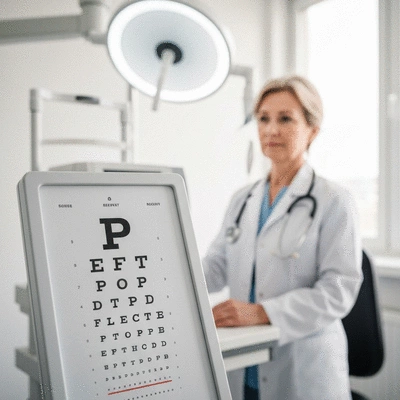
Understanding how lifestyle choices influence eye health, particularly myopia, is crucial for maintaining good vision. The following visual summarizes key factors and practical steps.
Our lifestyle choices play a crucial role in maintaining vision health, especially here in Singapore where urban living can significantly impact our eyesight. From the foods we consume to our daily activities, every decision can influence our eye health. I often discuss with my patients how simple changes can lead to better outcomes in their vision health journey.
Factors such as screen time, diet, and physical activity not only affect our overall well-being but also have a direct connection to common eye conditions like myopia. Understanding this connection is the first step toward making informed choices that benefit our eyes.
In Singapore, the prevalence of myopia is notably high, a trend that can be linked to our modern lifestyle. Many of us spend long hours in front of screens, whether for work or leisure, often neglecting our eye health. Here are some lifestyle factors that can affect our vision:
It's important to recognize these influences and take proactive measures. Engaging in outdoor activities, for instance, not only benefits our physical health but also helps reduce the risk of developing myopia.
Scientific studies have shown that nutrition plays a vital role in eye health, particularly in managing myopia. A diet rich in certain nutrients can help mitigate the risk of developing vision problems. For example, vitamins A, C, and E, as well as minerals like zinc, are essential for maintaining healthy eyesight. These key nutrients are highlighted by organizations advocating for healthy eyes.
Incorporating these nutrients into our daily meals can enhance our eye health and reduce the risk of myopia. As an ophthalmologist, I encourage my patients to consider their dietary habits seriously, as registered dietitian nutritionists emphasize the critical role of nutrients in supporting vision.
Physical activity is another critical factor in preserving our vision. Regular exercise not only boosts overall health but also improves blood flow to the eyes, which can be beneficial for their health. Engaging in activities like walking, cycling, or even practicing yoga can lead to positive effects on eye health.
Making time for physical activity can be a game changer for your vision health! As we incorporate simple exercises into our routines, we not only feel better but also provide our eyes with the care they need.
Incorporating eye-friendly foods into your diet can significantly boost your vision health. Consider adding leafy greens, colorful fruits, and omega-3-rich foods like fish and nuts to your meals. These choices not only nourish your body but also provide essential nutrients that support retinal health and may reduce the risk of myopia.
At Singapore Eye Centre, we believe that taking control of your eye health starts with understanding how to make informed nutritional choices. Here, we’ll explore practical steps you can incorporate into your daily routine to enhance your vision health.
Making dietary changes doesn’t have to be overwhelming! Here are some simple yet effective strategies to boost your eye health:
By implementing these small changes, you’ll not only feel better but also support your overall eye health in the long run. Do you have any favorite recipes that incorporate these eye-friendly foods?
Community involvement plays a crucial role in promoting eye health! At Singapore Eye Centre, we are dedicated to supporting local initiatives aimed at raising awareness about vision issues and preventive care.
By contributing to these initiatives, you can help ensure that more individuals understand the importance of maintaining their vision health.
Regular eye exams are essential for everyone! At Singapore Eye Centre, we emphasize the importance of early detection and intervention to prevent potential vision problems.
By prioritizing regular vision screenings, you’re taking an active step towards safeguarding your eye health. Have you scheduled your next check-up yet?
Here are some common questions regarding lifestyle and vision health:
Prolonged screen time can lead to digital eye strain, dry eyes, and may contribute to the progression of myopia, especially in children and young adults. Taking regular breaks using the 20-20-20 rule (every 20 minutes, look at something 20 feet away for 20 seconds) can help.
Vitamins A, C, and E, along with minerals like zinc, are crucial for maintaining good eye health. Lutein and zeaxanthin, found in leafy greens, are also vital for protecting the retina.
While exercise won't directly correct refractive errors like myopia, regular physical activity improves overall circulation, including blood flow to the eyes. This can help reduce the risk of certain eye conditions linked to systemic diseases like diabetes and high blood pressure.
The frequency of eye exams depends on your age, risk factors, and existing eye conditions. Generally, adults should have a comprehensive eye exam every one to two years. Children and individuals with specific risk factors may need more frequent check-ups.
A balanced diet rich in antioxidants and essential vitamins can support overall eye health and may help mitigate the risk factors associated with myopia. While diet alone cannot prevent myopia, it contributes to the eyes' structural integrity and function.
Smoking significantly increases the risk of developing several serious eye conditions, including cataracts, age-related macular degeneration (AMD), and optic nerve damage. Quitting smoking is one of the most effective ways to protect your long-term vision.
As we discussed earlier, regular check-ups are vital! They help track your eye health over time, which is crucial for identifying any changes that may require attention. For example, leading health institutions emphasize the link between overall wellness, including regular check-ups, and eye health.
Making this a priority can lead to better outcomes for your vision health. What strategies do you use to remember your health appointments?
Getting involved in local health programs can greatly enhance your awareness and commitment to eye care! Many organizations in Singapore offer resources and workshops focused on healthy living and vision wellness.
Through these programs, not only can you learn valuable information, but you’ll also connect with others who share your commitment to maintaining healthy vision.
Did you know that smoking can significantly impact your vision? It’s linked to various eye diseases, including cataracts and macular degeneration. At Singapore Eye Centre, we encourage everyone to consider quitting smoking as a vital step towards preserving their eye health.
By committing to a smoke-free life, you’re not just improving your overall health, but also actively protecting your vision. What steps have you taken or plan to take towards quitting?
Here is a quick recap of the important points discussed in the article:
Ophthalmologist specializing in LASIK & SMILE. Trusted authority in refractive treatments in Singapore.
Singapore Eye Centre is dedicated to empowering patients with accurate knowledge about advanced vision correction, ensuring they make informed decisions for their eye health. Join us on our blog for insights on vision correction techniques, surgeon expertise, and patient care to enhance your visual freedom.
Ophthalmologist specializing in refractive eye surgery. Trusted authority in LASIK and SMILE procedures in Singapore.
Singapore Eye Centre is dedicated to educating patients about advanced vision correction techniques, empowering individuals to make informed decisions about their eye health. Join her on our platform for insightful articles, patient experiences, and the latest advancements in vision correction, enhancing your journey towards optimal vision.